

Computer Vision on the Factory Floor: How AI Is Replacing Manual Inspection
Manufacturing is entering a new era where cameras, artificial intelligence, and real-time analytics work together to improve production quality, reduce downtime, and increase operational efficiency. At the center of this transformation is AI quality control manufacturing technology. Specifically computer vision inspection software, which allows machines to identify defects, safety risks, and production issues faster and more consistently than manual inspection alone.
Maneva AI is leading this shift by bringing AI-driven visual inspection systems directly onto the factory floor, combining computer vision with intelligent automation to help manufacturers detect defects, monitor operations, and improve quality assurance in real time.
What is computer vision in manufacturing quality control?
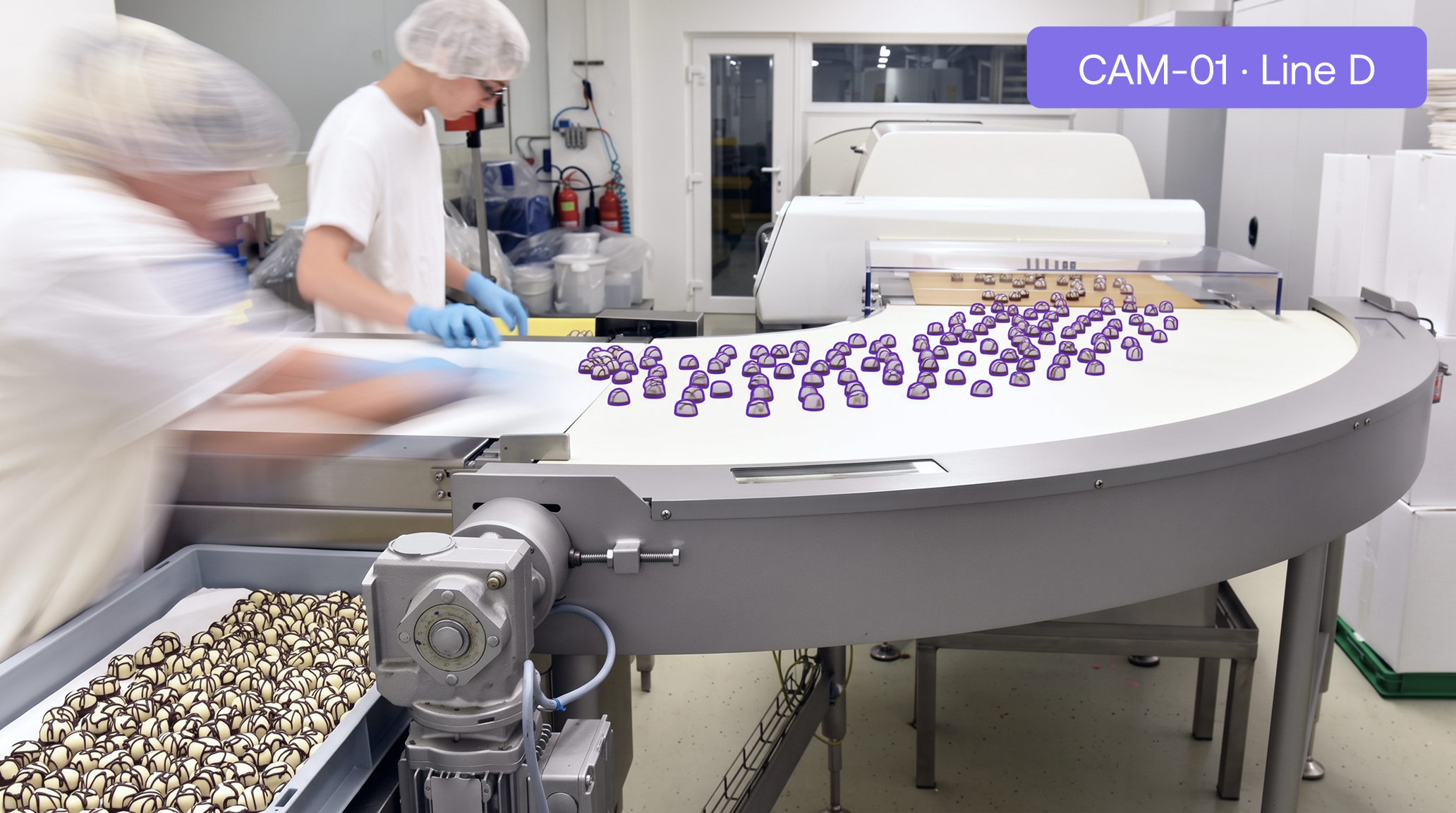
Computer vision is a branch of artificial intelligence that enables computers to analyze images and video the same way humans interpret visual information. On the factory floor, industrial cameras and AI models inspect products, packaging, machinery, and worker activity continuously, .without fatigue, without variation, and without slowing the line.
Traditional manufacturing inspection depends on manual checks or rigid rule-based machine vision systems that struggle with changing lighting conditions, product variations, and evolving production requirements. Modern AI quality control manufacturing systems are different. They learn patterns from real production data and adapt over time.
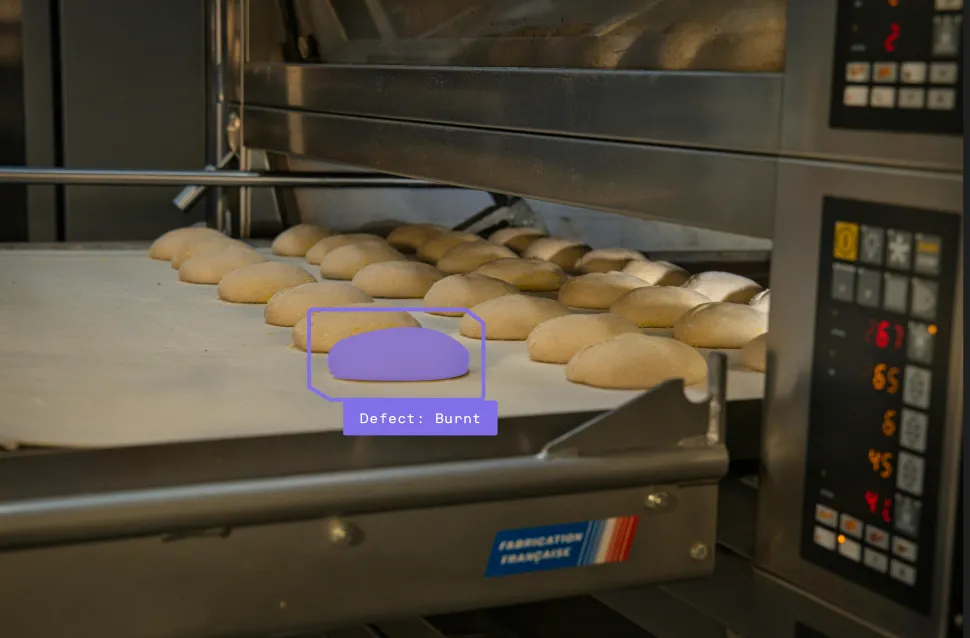
Machine vision defect detection allows manufacturers to inspect thousands of units per minute with greater consistency than manual checks. Intelligent manufacturing systems can identify:
- Surface defects such as scratches, cracks, dents, or contamination
- Packaging issues like broken seals or missing labels
- Incorrect product dimensions
- Foreign object contamination
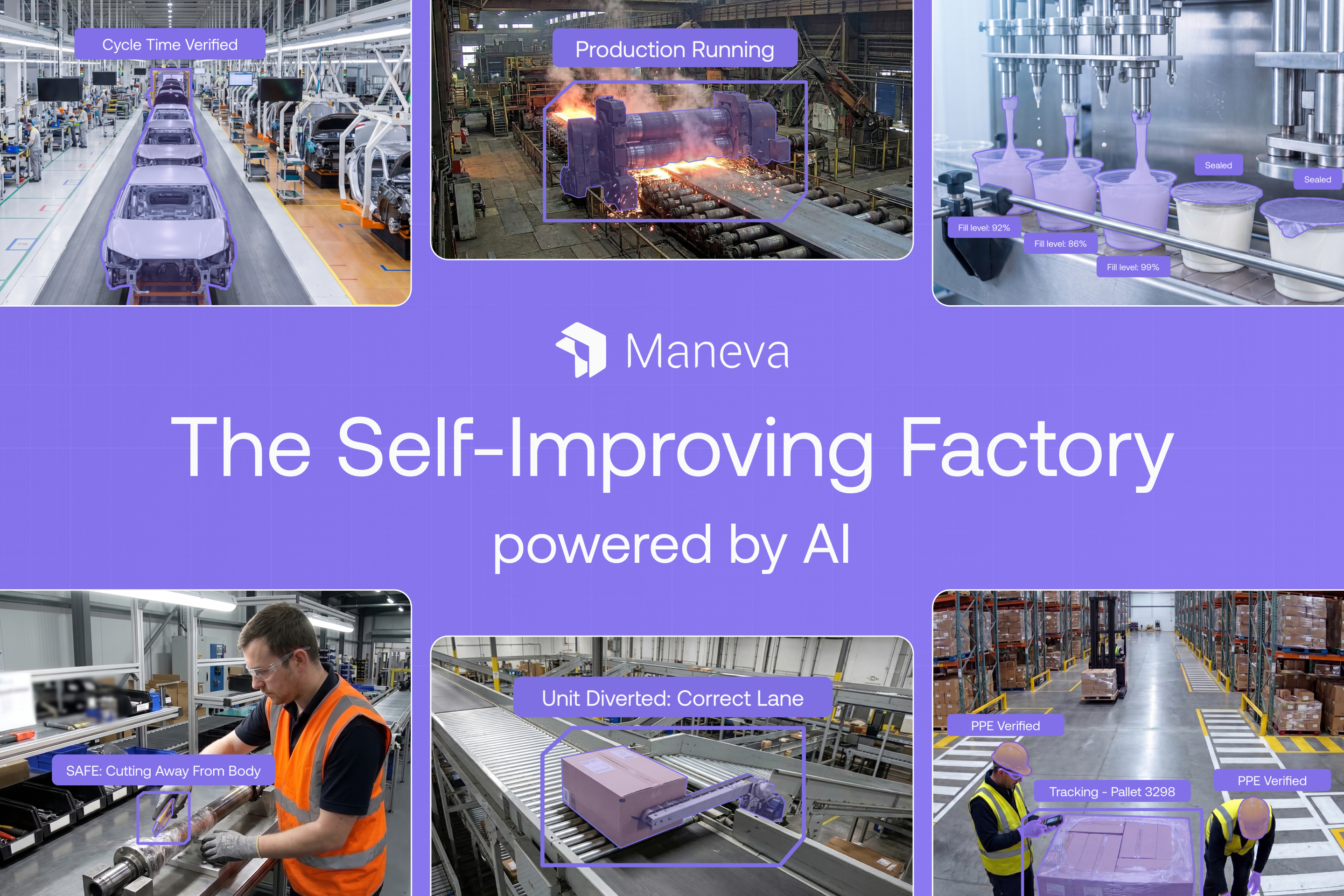
- Safety violations such as missing PPE
- Machine abnormalities that may lead to downtime
- Suboptimal production rates based on line constraints
- Recurring downtime patterns
This allows manufacturers to automate quality assurance and production efficiency at a scale and speed that manual inspection cannot match.
How does computer vision inspection software work?
AI-driven computer vision systems follow a four-step approach:
1. Image and Video Capture Industrial cameras installed along production lines continuously capture high-resolution images and video during production. Platforms like Maneva AI work with existing factory cameras, reducing implementation costs, and limiting operational disruption.
2. AI Model Training The system trains on examples of acceptable and defective products. AI models learn to recognize patterns associated with defects, inconsistencies, and unsafe conditions. Unlike rule-based systems that require manual programming for every variation, machine learning-based systems continuously improve through training and feedback. Making them more flexible in high-mix manufacturing environments.
3. Real-Time Inspection Once deployed, the AI analyzes production images in milliseconds. The software instantly flags defects, rejects non-conforming products, triggers alerts, and notifies operators before problems escalate. Maneva's Video-to-Action AI (VITA) platform detects labeling problems, packaging defects, overflow issues, and product anomalies in real time while production continues uninterrupted.
4. Analytics and Continuous Improvement Modern AI inspection platforms do more than identify defects. They collect operational data, track trends, and help manufacturers identify root causes behind recurring quality and production problems. Creating a feedback loop for continuous improvement where teams can increase throughput, reduce waste, and optimize performance over time.

Why are manufacturers replacing manual inspection with AI?
Manufacturers across industries are rapidly adopting automated visual inspection because traditional methods are becoming impossible to scale.
Labor Shortages and Rising Costs: Many factories face ongoing labor shortages and increasing labor costs. Manual visual inspection is repetitive, time-consuming, and prone to human fatigue. Automated AI inspection systems free workers from repetitive tasks, enabling them to focus on higher-value activities while reducing ergonomic safety risks.
Faster Production Speeds: Production lines today move too quickly for human inspectors to catch every defect consistently. AI systems inspect thousands of products per minute without slowing production, significantly improving cycle time and reducing error rates compared to manual inspection.
Better Consistency and Accuracy: Human inspectors interpret defects differently depending on workload, lighting, or fatigue. AI systems apply consistent inspection criteria across every product, every shift. Maneva's manufacturing AI models achieve up to 99.9% model accuracy while improving uptime and productivity.
Reduced Waste and Downtime: By catching defects earlier in the production cycle, manufacturers prevent non-conforming products from reaching customers and reduce scrap, recalls, and rework costs. AI predictive maintenance manufacturing platforms identify equipment issues before they cause unplanned downtime, shifting operations from reactive firefighting to proactive control.
How Maneva applies computer vision on the factory floor
Maneva AI has built its platform around the Smart Factory vision, where every camera on the floor becomes an intelligent sensor driving real decisions. The platform combines:
- AI-driven visual inspection
- Real-time production monitoring
- Downtime reduction
- AI factory safety monitoring
- Productivity analytics
- Adaptive machine learning models
Maneva's Video-to-Action AI (VITA) platform handles quality assurance and defect detection. The AI Line Supervisor (ALIS) platform goes further. AI production line monitoring through ALIS gives supervisors real-time visibility into production flow, quality compliance, and PPE usage across the entire operation.
One major advantage is deployment speed. Many manufacturers hesitate to adopt computer vision because older machine vision solutions require expensive custom hardware and complex programming. Maneva instead emphasizes rapid deployment, compatibility with existing cameras, and customizable AI quality control manufacturing models built for real-world factory environments. AI factory safety monitoring systems can also detect missing PPE in real time, flagging violations before they become incidents.

Where is industrial AI inspection heading next?
Industrial AI visual inspection is quickly becoming a core component of modern manufacturing operations. As AI models improve, and hardware costs continue to decrease, manufacturers are moving from reactive quality control toward predictive and autonomous operations.
The future factory will not simply detect defects or production issues after they occur. It will anticipate problems, optimize workflows automatically, and continuously learn from production data in real time. AI predictive maintenance manufacturing capabilities will evolve from flagging equipment anomalies to autonomously adjusting production parameters before a single unit is affected.
For manufacturers looking to improve quality, reduce downtime, and stay competitive, intelligent computer vision platforms like Maneva AI are defining what the next generation of Smart Factory manufacturing looks like.