
How to Build an AI Factory Safety Compliance Program That Actually Works
I've spent more than 25 years walking factory floors as a leader at Kimberly-Clark, Medline, Clorox, and a string of OpEx consulting engagements before landing in my current role as Director, OpEx and AI Transformation at Maneva AI. During that time I've sat through more safety audits, near-miss reviews, and "corrective action plan" meetings than I care to count. And if there's one thing that's stayed consistent across every plant, every industry, and every decade, it's this: most safety compliance programs look great on paper and fall apart on the floor.
The binders are thick. The training records are current. The signage is posted. And yet the incident reports keep coming, because paper compliance and real compliance are two very different things. A checklist tells you what happened during a five-minute walkthrough once a shift. It says nothing about what happened the other 475 minutes.
That gap is exactly why so many manufacturers are now rethinking what a safety program should even look like, and why an AI factory safety compliance program is quickly becoming the standard rather than the exception. Done right, it doesn't just document compliance after the fact. It sees it happening, in real time, across every hour of every shift, and puts that information directly into the hands of the people who can act on it.
Why do traditional safety compliance programs break down?
Most safety programs I've inherited or audited over the years share the same structural weakness: they rely on periodic human observation to catch continuous risk. A safety manager or line supervisor can only be in one place at a time. PPE checks happen at shift start, maybe a spot check midday. Hazardous zone violations get caught only if someone happens to be looking. By the time a compliance gap shows up in a monthly report, it has already cost you, in near misses, in OSHA exposure, or in an incident that ends up in a root-cause meeting.
The other problem is cultural. Traditional monitoring tends to feel like surveillance, a "gotcha" system aimed at catching workers doing something wrong. That framing puts frontline teams on the defensive instead of making them partners in the process. It's the wrong model, and it's part of why compliance programs stall out after the initial rollout enthusiasm fades.
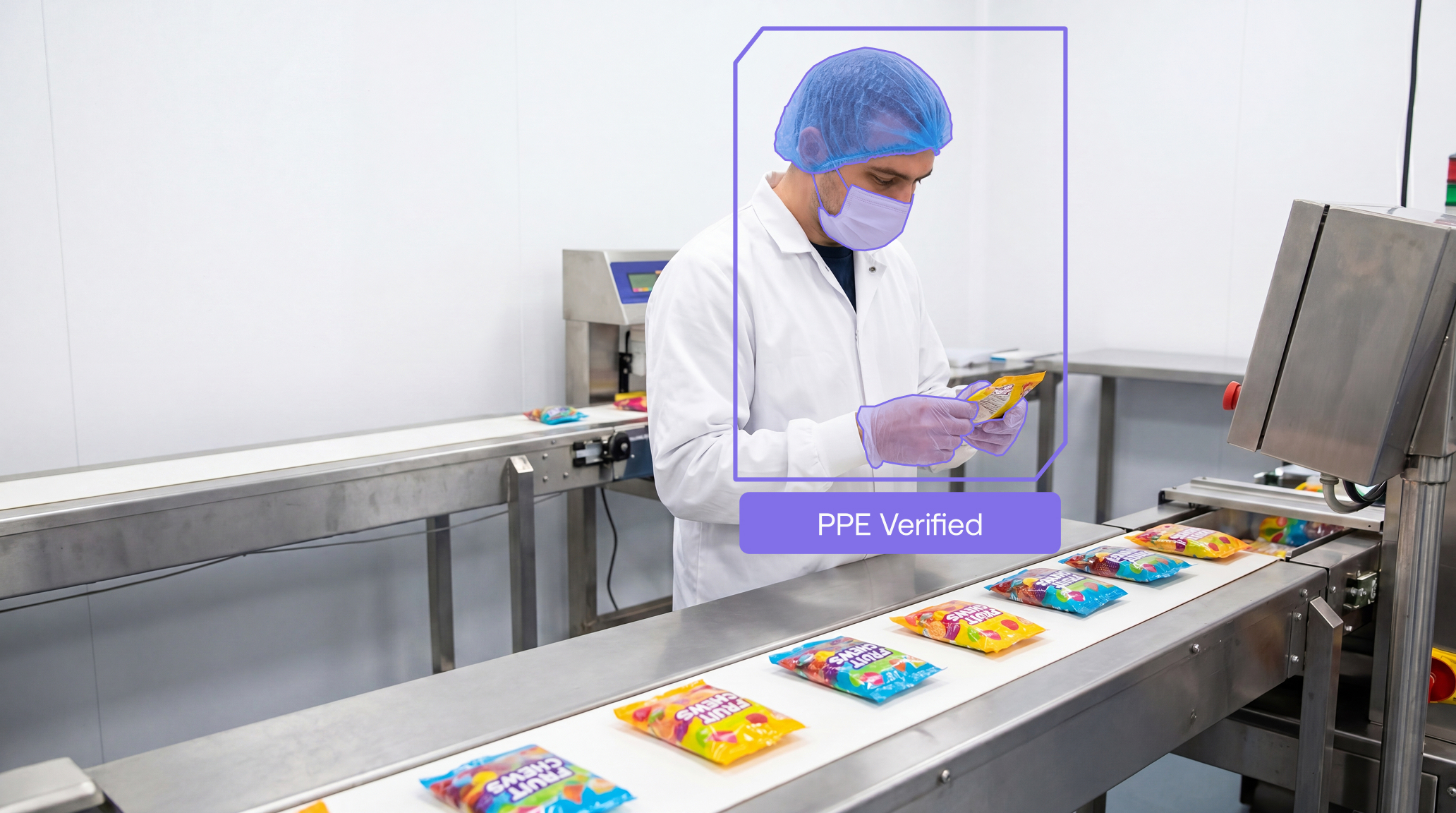
What does an AI-centered safety program look like?
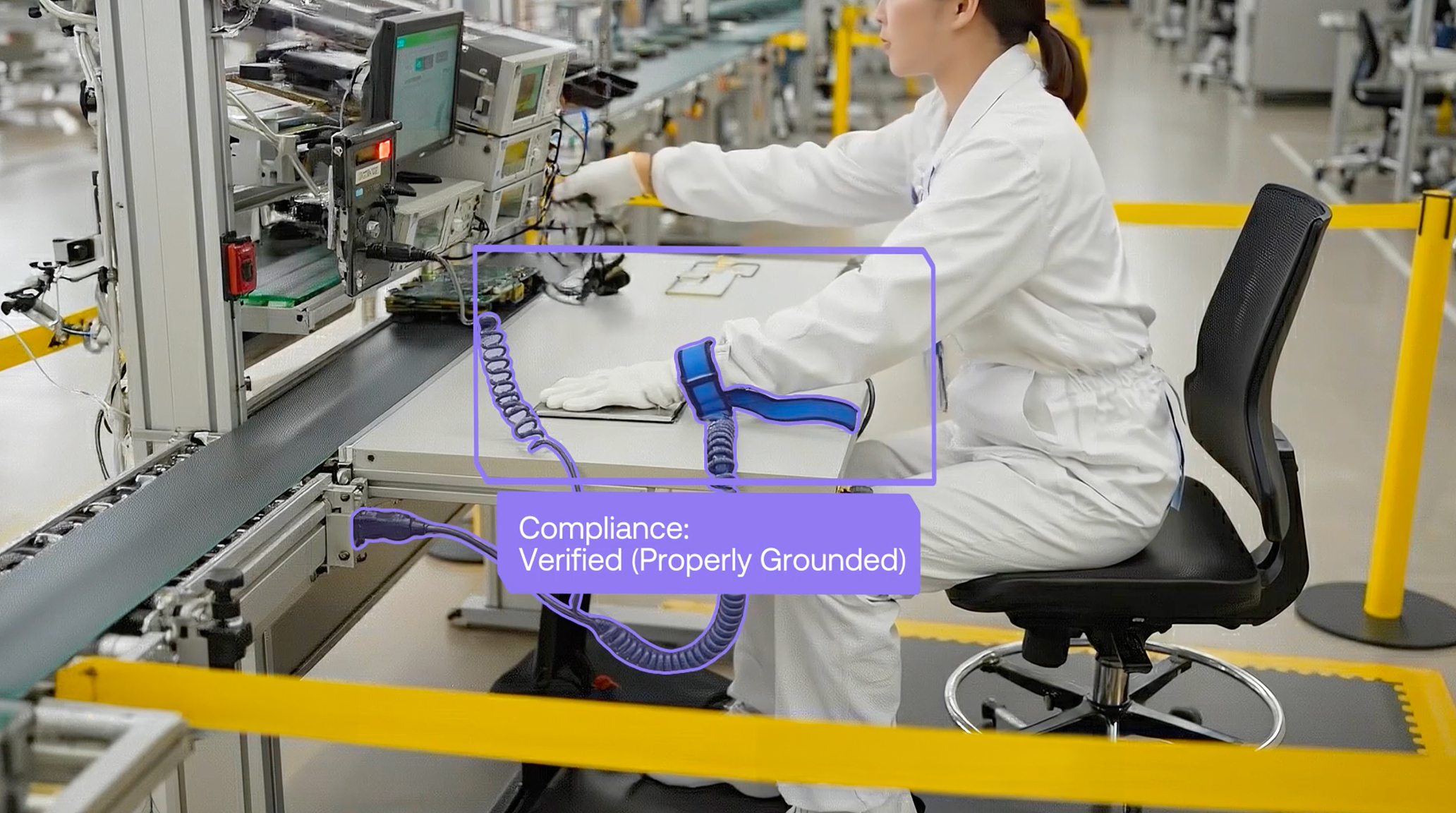
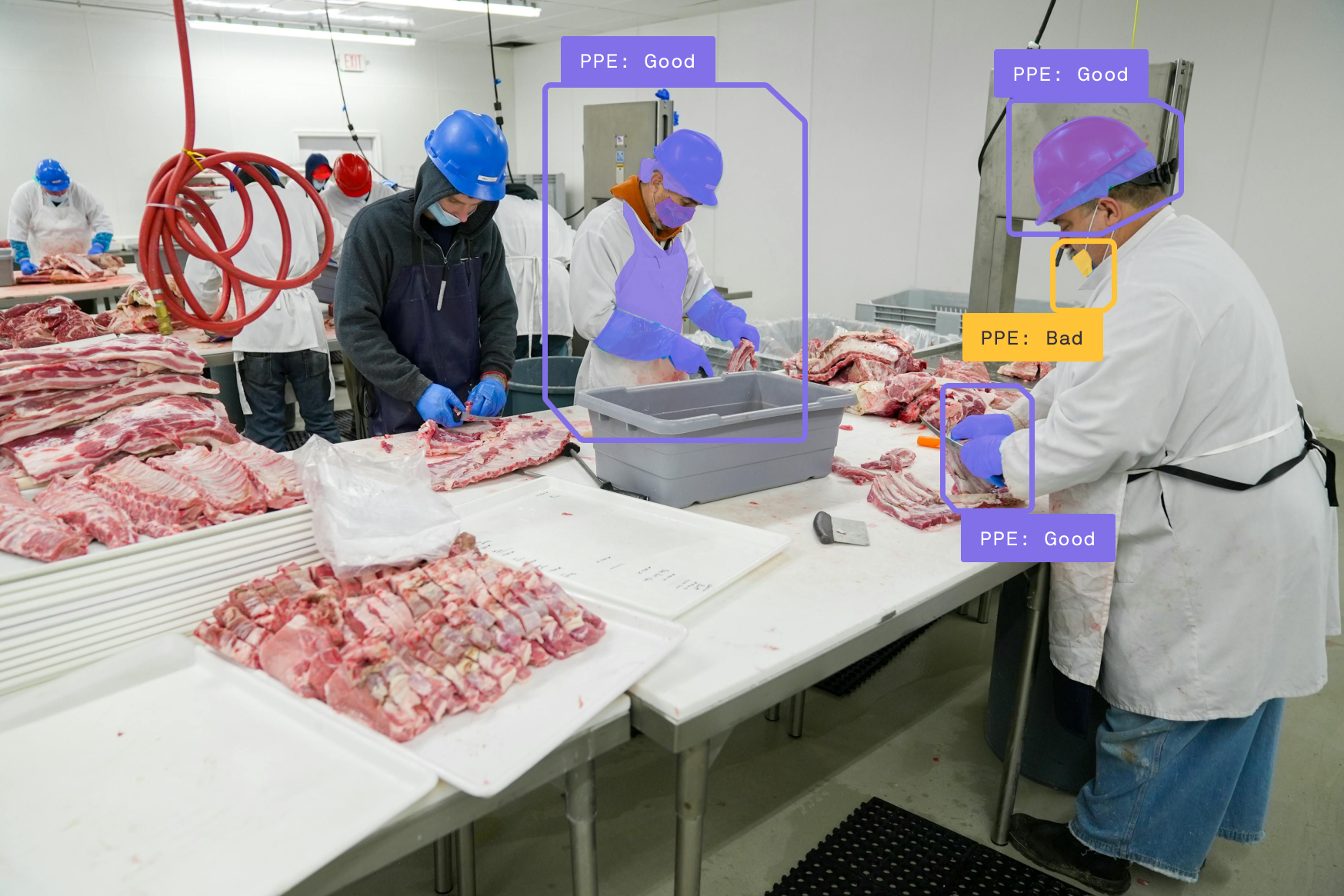
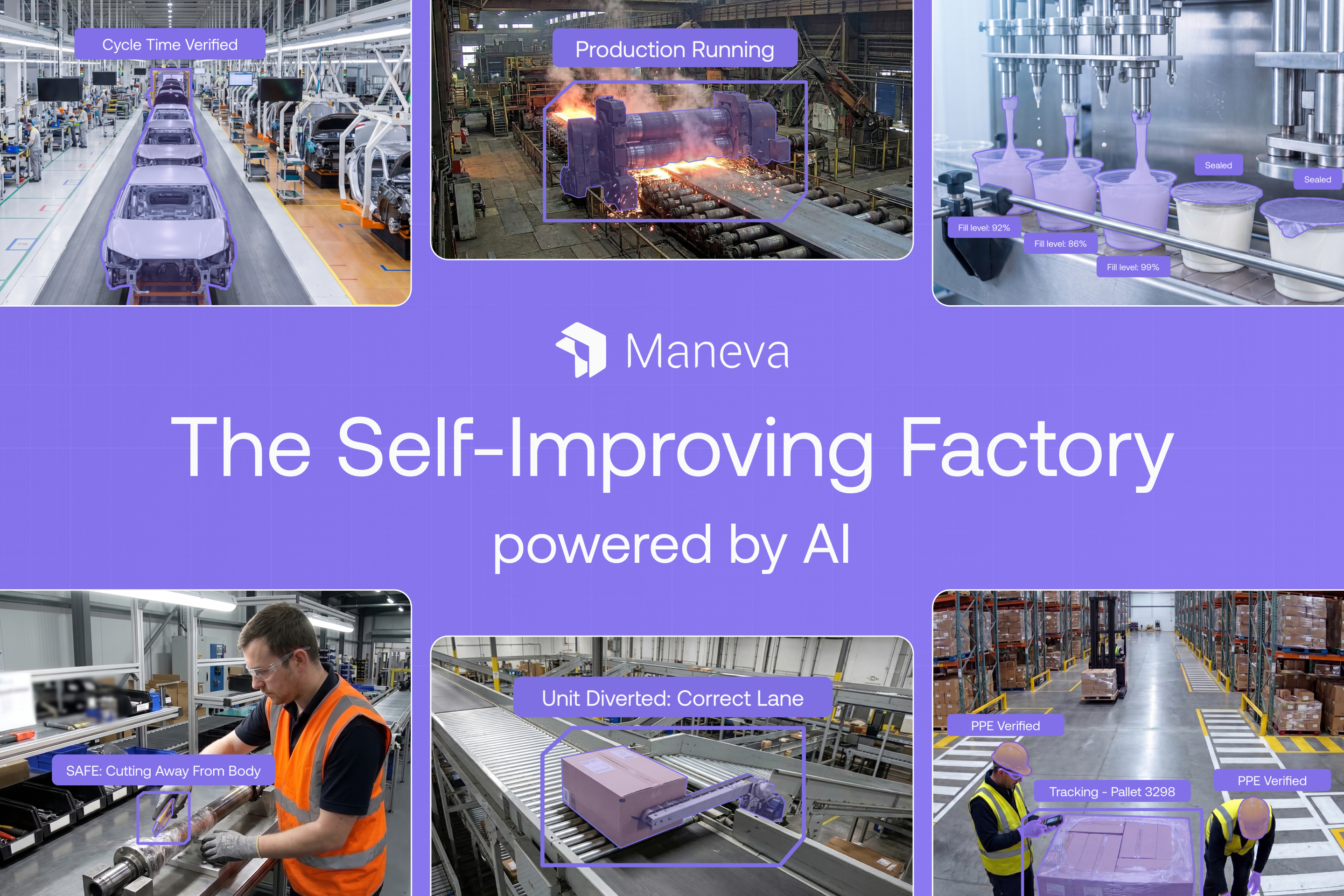
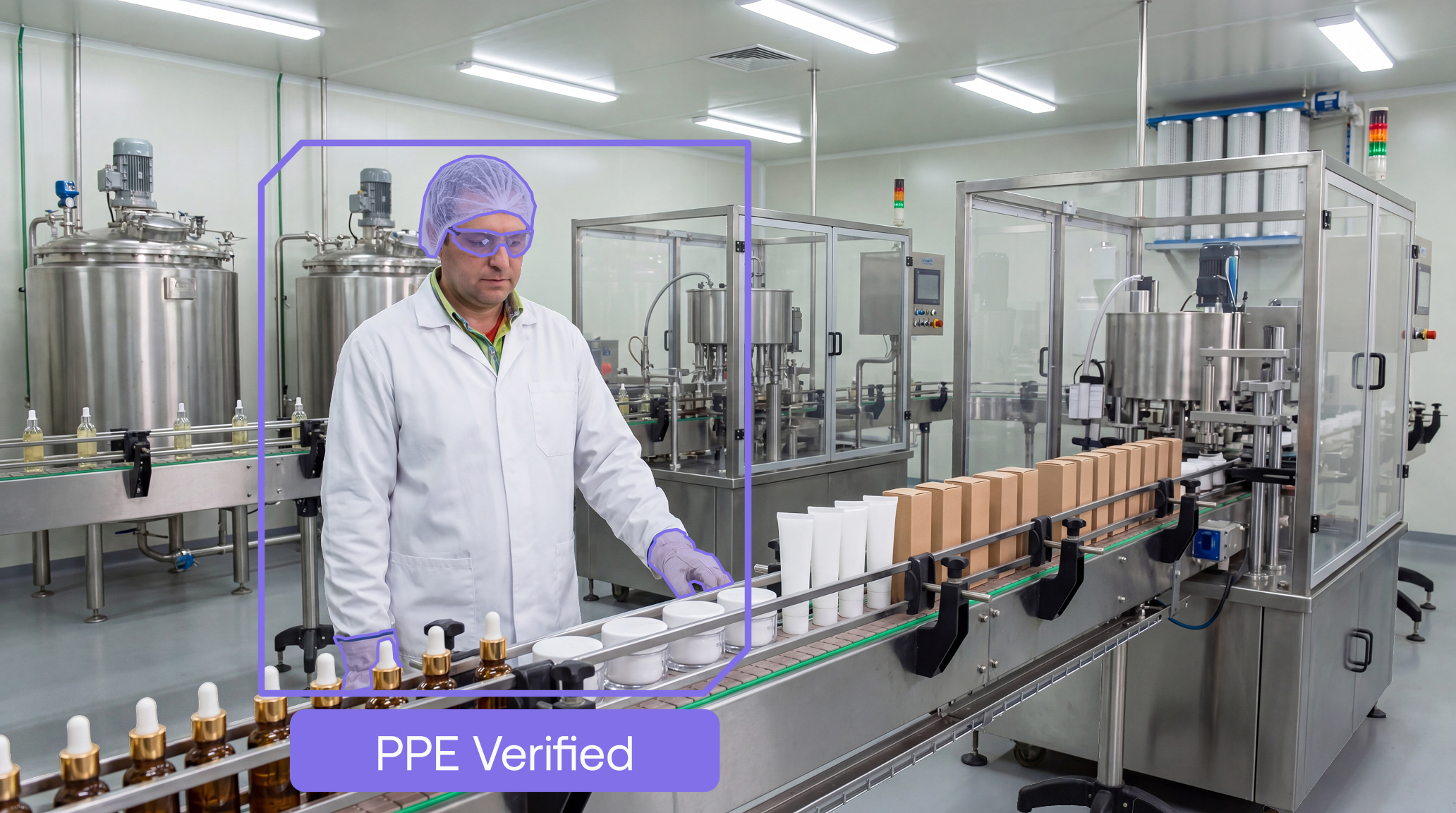
The programs that work don't replace human judgment, they arm it by providing real-time, actionable information. That's the core design principle behind Maneva's ALIS (AI Line Supervisor) agent, which uses computer vision and AI to run continuous, automated checks for PPE, handwashing, restricted access, and hazardous conditions across the plant floor. Instead of a single walkthrough per shift, you get real-time visibility into every zone, every hour, with no blind spots.
The results speak for themselves: Maneva ALIS deployments have delivered up to a 50% increase in health and safety compliance, backed by 99.9% AI model accuracy in detection. That's not a marginal improvement over a clipboard-and-checklist approach, it's a fundamentally different level of coverage.
But the number I find most important isn't the compliance lift. It's this: Maneva ALIS deployments also deliver a 10% increase in total output through improved worker productivity. That statistic matters because it tells you the plant associates are still at the center of the story. ALIS isn't a replacement for the people on the floor, it's a force multiplier. When frontline teams get real-time alerts instead of end-of-shift reports, they can correct a PPE gap, clear a hazard, or address an access violation the moment it happens, not hours later when the damage or the injury is already done. That's what turns workers into better decision-makers instead of making them redundant. The technology sees more; the people still decide and act.
This same people-first philosophy shows up in how AI is being applied to quality, not just safety. Maneva's VITA (Video-to-Action AI) agent, for example, automates repetitive visual inspection tasks that used to consume the bulk of a quality technician's day. Freed from staring at a screen looking for the same defect pattern for the thousandth time, those technicians can redirect their expertise toward root cause analysis, process improvement, and the judgment calls that AI simply can't make. That's the pattern worth internalizing as you design your own program: AI should absorb the repetitive, high-volume, easy-to-automate observation work, so your people can spend their time on the analysis and decisions that require a human brain.
How do you build an AI safety program, step by step?
Having built and rebuilt safety programs across CPG, medical products, and consumer goods manufacturing environments, here's the structure I'd recommend if you're starting from scratch or overhauling something that isn't working.
1. Start with the highest-risk, highest-frequency gaps.
Don't try to digitize your entire safety program on day one. Look at your incident and near-miss data from the last 12 months and identify the two or three violation types that show up most often. PPE non-compliance is almost always near the top of that list for manufacturing environments. This is where PPE compliance monitoring software earns its keep fastest, because it converts a spot-check activity into continuous coverage without adding headcount.
2. Make real-time alerts actionable, not punitive.
The value of catching a hard-hat violation the instant it happens is lost if the response is a written warning three days later. Route alerts directly to shift supervisors and, where appropriate, to the workers themselves, framed as a prompt to correct, not a citation. This is the difference between a program that builds trust and one that breeds resentment.
3. Layer in hazard and access monitoring once PPE compliance is stable.
Danger-zone intrusion, slip-and-trip detection, and restricted access violations often carry the most severe consequences even though they occur less frequently than PPE gaps. An AI factory safety compliance program should expand its coverage in that order: highest frequency first, highest severity next, so you're building organizational trust in the system before asking it to catch the rare but catastrophic event.
4. Give your safety and quality teams new work, not less work.
This is the piece that gets missed most often. When you automate visual monitoring, you free up capacity, but only if you deliberately redirect that capacity toward higher-value work. Safety managers should be spending more time on root-cause trend analysis and less time on manual walkthroughs. Quality techs should be spending more time on process improvement and less time staring at a screen. If you don't make that redirection explicit, the productivity gain evaporates and the AI just becomes another dashboard nobody acts on.
5. Track compliance and output together.
One of the most persuasive things I've seen in rolling out AI-driven safety systems is that compliance and productivity aren't a trade-off; they move together. The 50% compliance improvement and the 10% output increase aren't coincidental; they're connected. The result is a safer floor with fewer interruptions, fewer injuries, and fewer stop-the-line events, and therefore a more productive floor. Make sure your KPI dashboard reflects that link so leadership sees safety as a productivity lever, not a cost center.
6. Communicate the "why" before you deploy.
Every rollout I've been part of that stumbled did so because workers weren't told, clearly and early, that the system was there to protect them, not surveil them. Be explicit that the goal is real-time visibility for their benefit, catching hazards before they become injuries, not building a case file. Programs that lead with this message get faster adoption and far less resistance.
After 25-plus years watching safety programs succeed and fail across very different industries, I've become convinced the difference has less to do with the sophistication of the technology and more to do with the intent behind how it's deployed. OSHA's most-cited-standards data and Liberty Mutual's Workplace Safety Index both make the stakes clear. An AI factory safety compliance program built around continuous, real-time visibility rather than periodic snapshots closes the gap that traditional compliance programs can never close. But the programs that actually stick are the ones that use that visibility to make frontline workers more capable and more informed, not the ones that use it to replace them.
If you want the case for why this matters before the how, I made it in compliance before an incident happens. That's the model worth building toward: technology that watches constantly so people can decide better, act faster, and go home safer at the end of every shift. To see what it looks like on a live floor, start at maneva.ai/solutions/health-safety-compliance.