
How AI Is Replacing the Clipboard: The End of Manual Data Collection on the Factory Floor
I've spent the better part of my career on factory floors, coaching frontline teams at Fortune 500 companies and consulting with manufacturers across North America through PE-based and other management consulting firms. In every plant I've walked, one thing has remained constant: someone with a clipboard, a paper form, and a pen, manually tracking what happened on the line. I've seen great operators spending more than twenty minutes per shift transcribing data that was already happening right in front of a camera. That era is ending, and frankly, it's overdue.
Why is manual data collection still standard on factory floors?
Walk onto most factory floors today and you'll still find it: the paper check sheet pinned to the line, the whiteboard tally marks, the end-of-shift supervisor scrambling to compile numbers into a spreadsheet before the morning meeting. Manual data collection has been the backbone of quality control in manufacturing for generations. It is also one of the most error-prone, time-consuming, and ultimately unreliable systems we've ever built our operations around.
The human eye is good, but it is not consistent at 400 units per minute. Fatigue, shift changes, lighting variation, and the simple reality that people have bad days all introduce noise into quality data. And the data itself arrives hours late, long after the defective product has already been packed, palletized, and loaded onto a truck.
AI quality control manufacturing is changing this paradigm at a fundamental level. Not by replacing workers, but by replacing the clipboard.
What changes when production data arrives in real time?
The most important shift AI brings to the factory floor is not accuracy, though accuracy matters enormously. The most important shift is timing. Traditional quality checks are snapshots: a sample pulled every thirty minutes, a visual inspection done by a person walking the line. By the time a trend is detected, the damage is already done.
AI-powered systems monitor every unit, every second, continuously. A peer-reviewed MDPI survey of deep learning for defect detection in manufacturing documents how continuous AI inspection consistently outperforms periodic sampling across accuracy, throughput, and trend identification. When a defect pattern begins to emerge, whether that be a slight shift in fill level or a surface scratch appearing at intervals, the system flags the issue in real-time defect detection, before the next hundred units are affected. The production team isn't learning about a quality issue at tomorrow's 9 AM meeting. They're learning about it while they can still do something about it.
This is the operational promise of machine vision defect detection: not a smarter inspector standing at the end of the line, but an always-on system woven into the line itself.
What can machine vision detect that a person cannot?
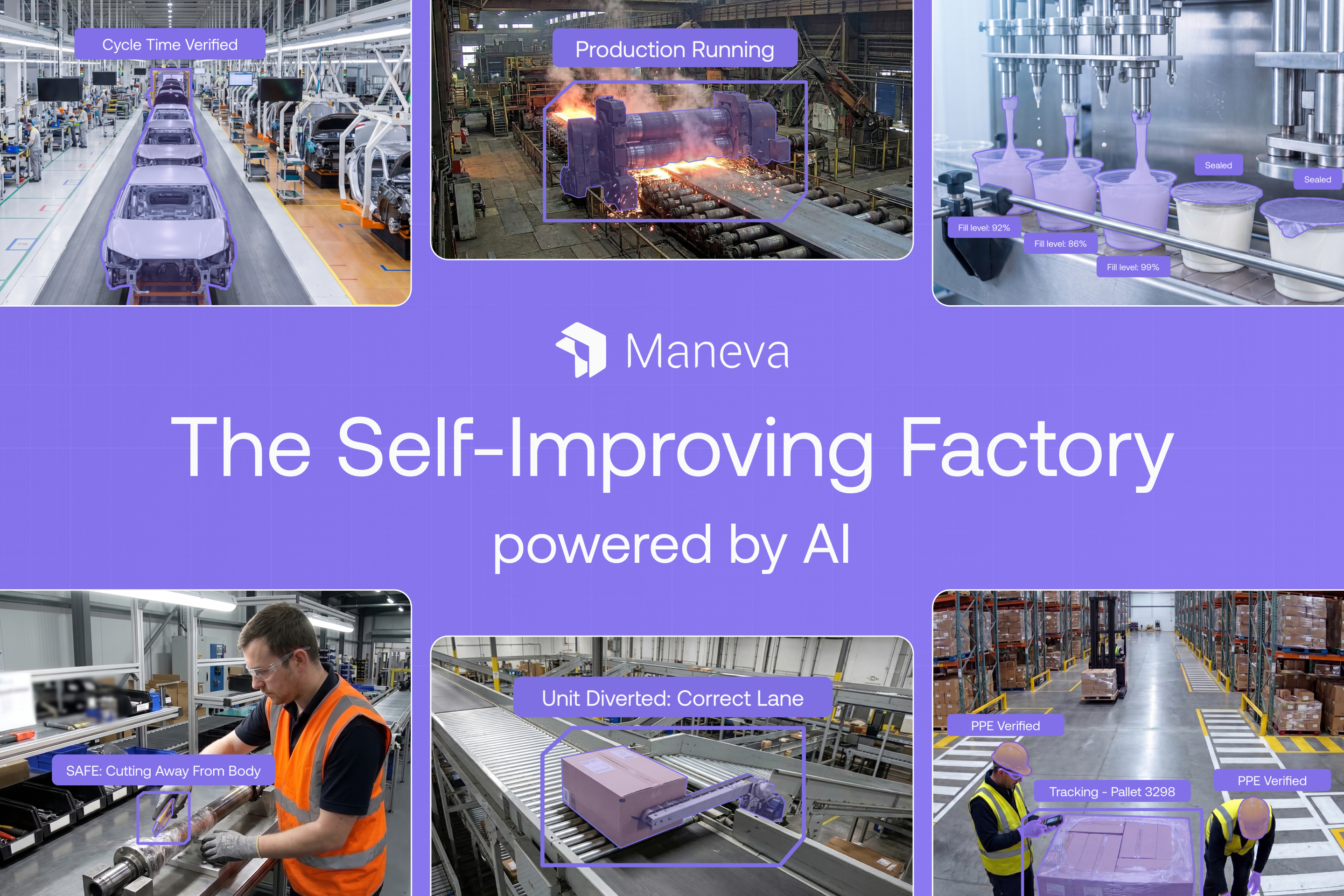
Modern computer vision and machine vision defect detection systems are trained by providing thousands of images of both acceptable and defective products. They continue to learn what "good" looks like for your specific SKU, your specific line, your specific lighting conditions. They can identify scratches, cracks, misaligned labels, broken seals, foreign objects, dimensional inconsistencies, and overflow conditions, often catching defects invisible to the naked eye at production speed, even seeing through packaging material.
Consider the categories of quality risk that AI quality control manufacturing now addresses in real time:
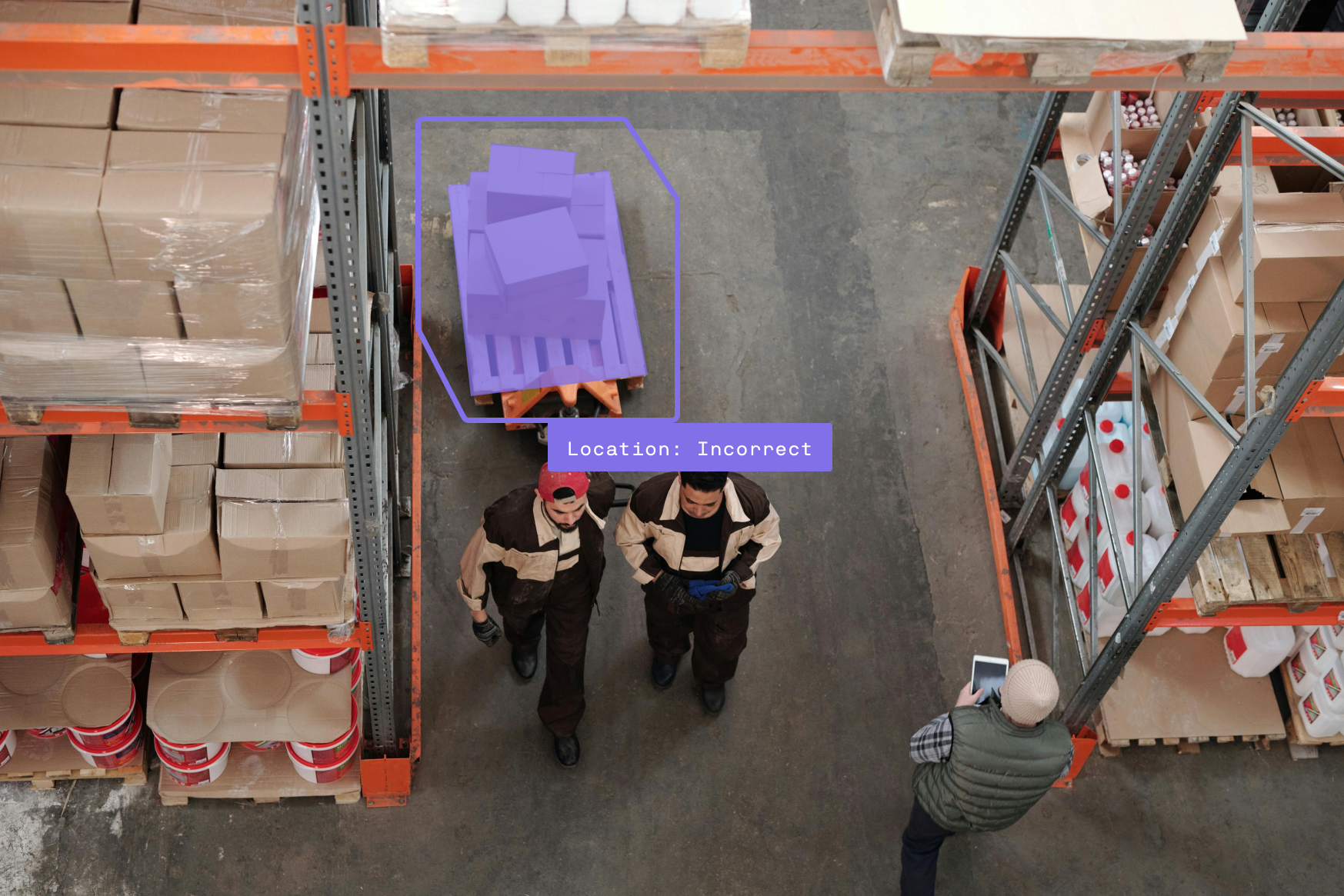
- Label Verification: A missing label, a crooked label, or a label from last week's run that somehow made it onto today's packaging. These errors generate recalls, retailer chargebacks, and regulatory headaches. Machine vision catches them at the point of application, not at the distribution center.
- Packaging Integrity: Broken seals and faulty closures are safety risks in food, pharmaceutical, and cosmetic manufacturing. An AI system monitors every closure, every seal, on every unit, without sampling bias.
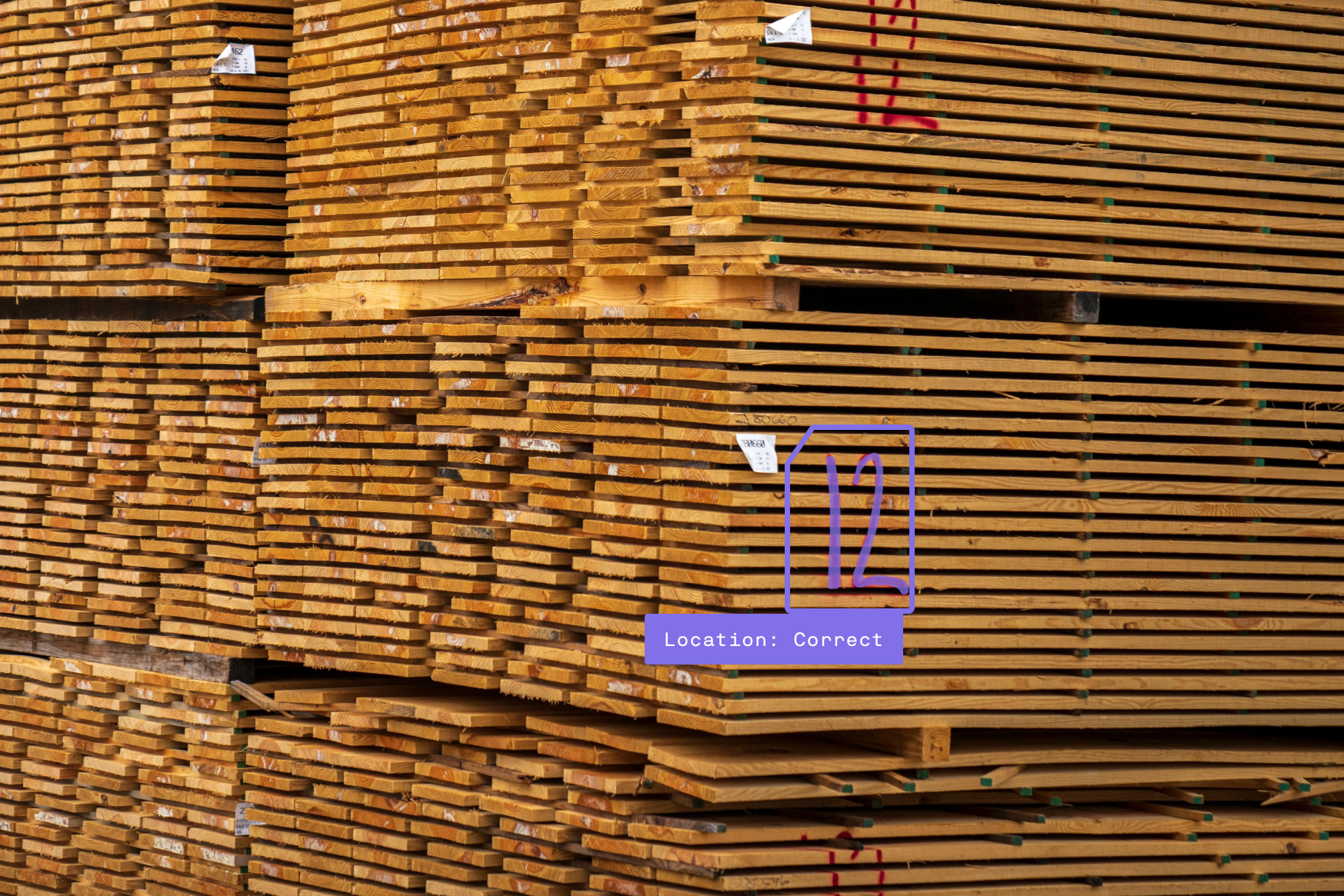
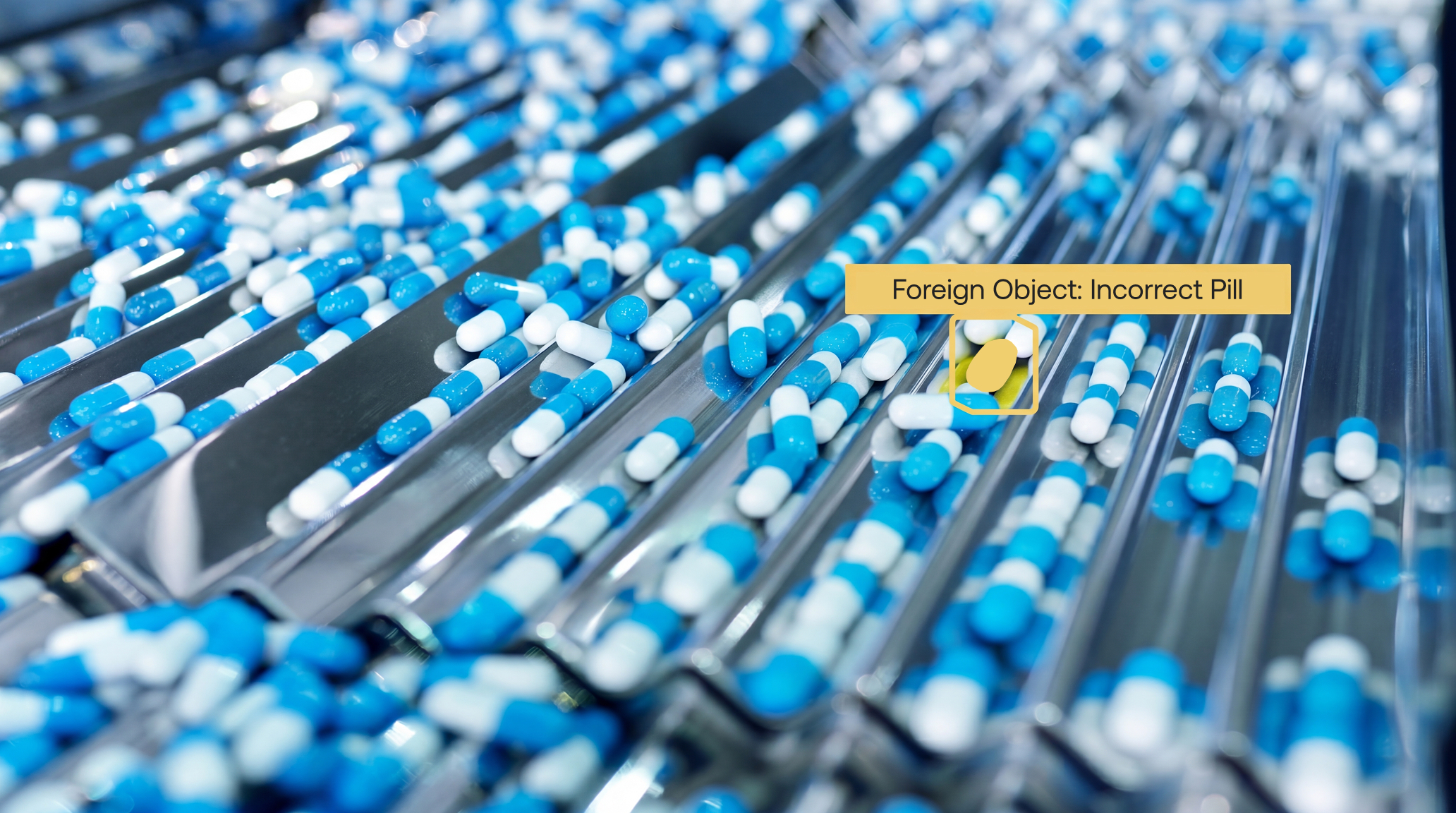
- Foreign Object Detection: Metal fragments, plastic shards, or other contaminants that make it through to packaging represent significant liability. Vision systems trained on X-ray, infrared, or standard imaging can detect these before the product is sealed.
- Surface Defects: Scratches, dents, cracks, and cosmetic flaws that affect perceived quality can now be caught in the first second of their appearance on the line, rather than in a customer complaint six weeks later.
How accurate is AI defect detection in practice?
Platform providers in this space are reporting results that would have seemed implausible a decade ago. Maneva's VITA (Video-to-Action AI) agent, built specifically for factory floor deployment, reports 99.9% AI model accuracy for defect detection and removal in real time, alongside production uptime improvements of up to 16x and output gains of up to 10%.
Those numbers reflect something important: AI quality control manufacturing is not a cost center. It is a performance driver. When defects are caught at the source rather than discovered downstream, or worse, by customers, the financial impact compounds quickly. Reduced rework, reduced waste, reduced warranty claims, reduced recall exposure. The clipboard never delivered that ROI.
What is the difference between rule-based and AI vision?
It's worth being clear about what makes modern AI vision different from the rule-based machine vision systems that have existed in manufacturing for twenty years. Traditional vision systems are rigid. They are programmed with set rules such as "if pixel count in zone A exceeds threshold B, reject." They are extremely sensitive to changes in lighting, product positioning, and packaging redesigns. They require frequent reprogramming by specialists and tend to generate high rates of false positives that erode operator trust and often create more waste.
AI-powered quality control systems learn. They are trained on real examples from your line, they adapt to the natural variability of a production environment, and they improve over time as they see more data. They can handle multiple product SKUs, multiple defect types, and real-world conditions that would defeat a rules-based system. And critically, they can often be installed on existing camera infrastructure, allowing for no production stoppages and no rip-out-and-replacement.
This is the practical case for adoption: it's not a five-year IT project. It's a deployment measured in days.
What happens to the people who did the manual data collection?
The end of manual data collection does not mean the end of the people who collected it. What it means is that their time gets redirected. When operators are no longer transcribing tally marks and chasing down quality paperwork, they are now available to perform higher-value work such as diagnosing root causes, making adjustments, coaching newer team members, and responding to the real-time alerts the system generates. This is about moving away from Quality Control to Quality Assurance.
The best manufacturing environments I've seen are ones where people know their work matters and where they have the information they need to do it well. AI quality control systems don't diminish that, they amplify it. Operators get real-time visibility into what's happening on their line. Supervisors stop managing paper and start managing performance.
Why waiting on AI inspection carries a competitive cost
The manufacturers who adopted Statistical Process Control in the 1980s didn't do it because they liked statistics. They did it because their competitors were doing it, and standing still meant falling behind. The same logic applies now.
AI quality control manufacturing is no longer a pilot program or a proof of concept. McKinsey's 2025 survey of manufacturing COOs confirms it is in production lines across food and beverage, pharmaceuticals, cosmetics, automotive, electronics, wood, and consumer packaged goods. The companies that deploy it are catching defects earlier, wasting less material, and protecting their brands more effectively than those still relying on clipboards and sample pulls.
The question is no longer whether AI belongs on the factory floor. It is already there. The question is whether your floor is next. Book a demo at maneva.ai to see what changes when the clipboard finally goes away.