
How AI Actually Drives Frontline Manufacturing Performance
Every CEO and VP of Operations in manufacturing is currently staring at the same problem: how do we increase plant performance and protect our margins when labour is tight, turnover is high, and the production floor reality changes by the minute?
There's no shortage of high-level talk about "digital transformation" or Industry 4.0. But if you sit in the executive chair, you don't need abstract promises or technical jargon. You need to know how technology makes your people better, safer, and more efficient today. You need to know how AI manufacturing performance gains show up in your yield, your throughput, and your bottom line every day, and preferably, in real time.
To understand how AI truly drives frontline manufacturing performance, you have to look past boardroom metrics and step directly onto the production floor. Having spent 30 years managing operations in protein manufacturing, from high-speed assembly to further processing and intricate packaging lines, I've learned that frontline performance isn't won with end-of-day spreadsheets, or worse, end-of-week reports. It's won by supporting your people in real time at every single level of the plant.
The "Tribal Knowledge" Trap
Before looking at how technology helps, we have to look at why traditional performance improvement strategies fail. In most manufacturing plants, operational excellence relies heavily on "tribal knowledge." You have a handful of brilliant, veteran supervisors and lead hands who simply know what an efficient line looks like, how to spot a machine calibration drift, or when a high-speed assembly sequence is falling behind.
But when those veterans retire or move on, that knowledge walks out the door. New operators are often thrown onto fast-moving lines with minimal onboarding, resulting in high material waste, poor yield, and immediate frustration that fuels the industry's notorious turnover rates.
Executives often try to solve this by mandating more documentation, heavier supervisor oversight, or retroactive KPIs. But you can't manage a modern processing plant by looking at what happened yesterday. McKinsey's research on frontline workforce AI confirms that the biggest productivity unlock in manufacturing comes from investing in the operators, supervisors, and plant managers who run the lines, not from automation alone. That's where real-time AI manufacturing shifts the paradigm, turning visual floor activity into immediate, actionable execution for every tier of the workforce.
1. The Operator
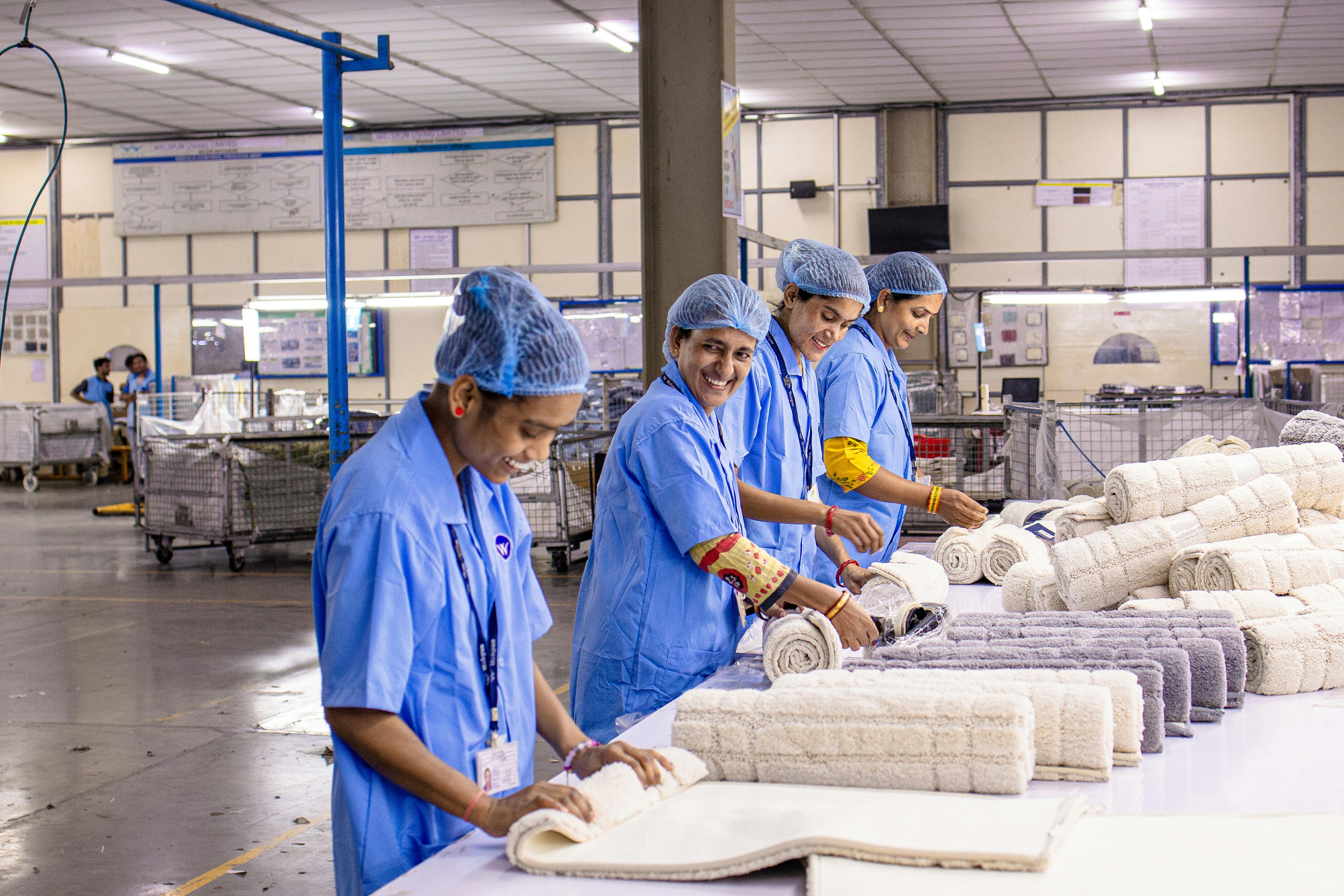
On any manufacturing floor, an operator's job is incredibly demanding, physically taxing, and highly specialized. Whether it's achieving maximum product yield on a further processing line, executing precise component assembly, or ensuring strict quality compliance before a product hits secondary packaging, a single centimeter of deviation or a distracted moment can cost thousands of dollars in lost margin or trigger a costly product hold.
In the old days, if an operator made a systemic mistake or fell behind on their station cycle, they found out hours later, or worse, the next day during a shift review when leadership analyzed the logs or looked at the variance report.
The AI Shift: Maneva's VITA (Video-to-Action AI) agent doesn't act as a digital hall monitor looking to catch people doing something wrong. It acts as an invisible, expert co-pilot. By analyzing video streams in real time, the AI instantly recognizes when a process drifts or when an operator is struggling with a specific technique or workflow sequence.
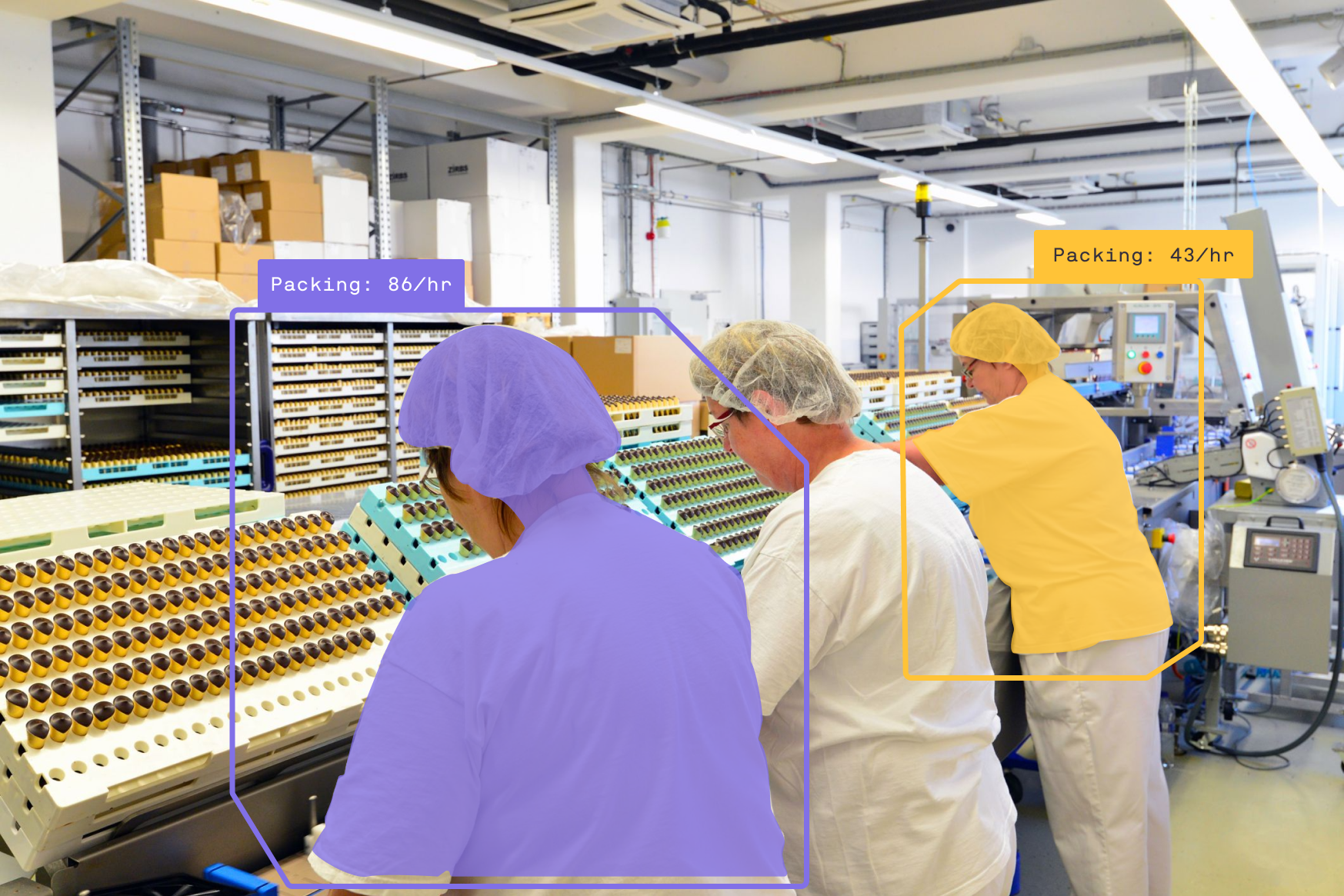
For instance, if an operator on a multi-station line is missing key structural steps or cycle-time indicators, the VITA agent flags the operational lag immediately. Instead of a reprimand tomorrow, the operator gets the direct feedback, coaching, or mechanical line adjustment they need right now to succeed. This real-time loop builds confidence, dramatically accelerates onboarding for new hires, and takes the guesswork out of hitting daily production targets, the kind of AI operator coaching manual supervision can't deliver at scale.
Old Way: Mistake Made → Next-Day QA Review → Reprimand (Frustration and Lost Margin)
AI Way: Process Drift → Real-Time Alert → Immediate Floor Adjustment (Confidence and Saved Yield)
2. The Supervisor: Shifting from Firefighting to Proactive Coaching
Ask any floor supervisor what their biggest daily frustration is, and they'll give you the same answer: "I spend 90% of my day putting out fires and chasing paperwork, leaving me 10% of my day to actually lead and coach my team." They are constantly running between stations, manually checking production and quality logs, auditing safety compliance, and trying to spot material bottlenecks before they halt the entire line. They are stretched incredibly thin.
The AI Shift: Maneva's ALIS (AI Line Supervisor) agent acts as a force multiplier for the floor supervisor. Instead of pacing the floor trying to be everywhere at once, the supervisor sees a localized, smart dashboard that flags exactly where operational friction is building before it causes a line stoppage.
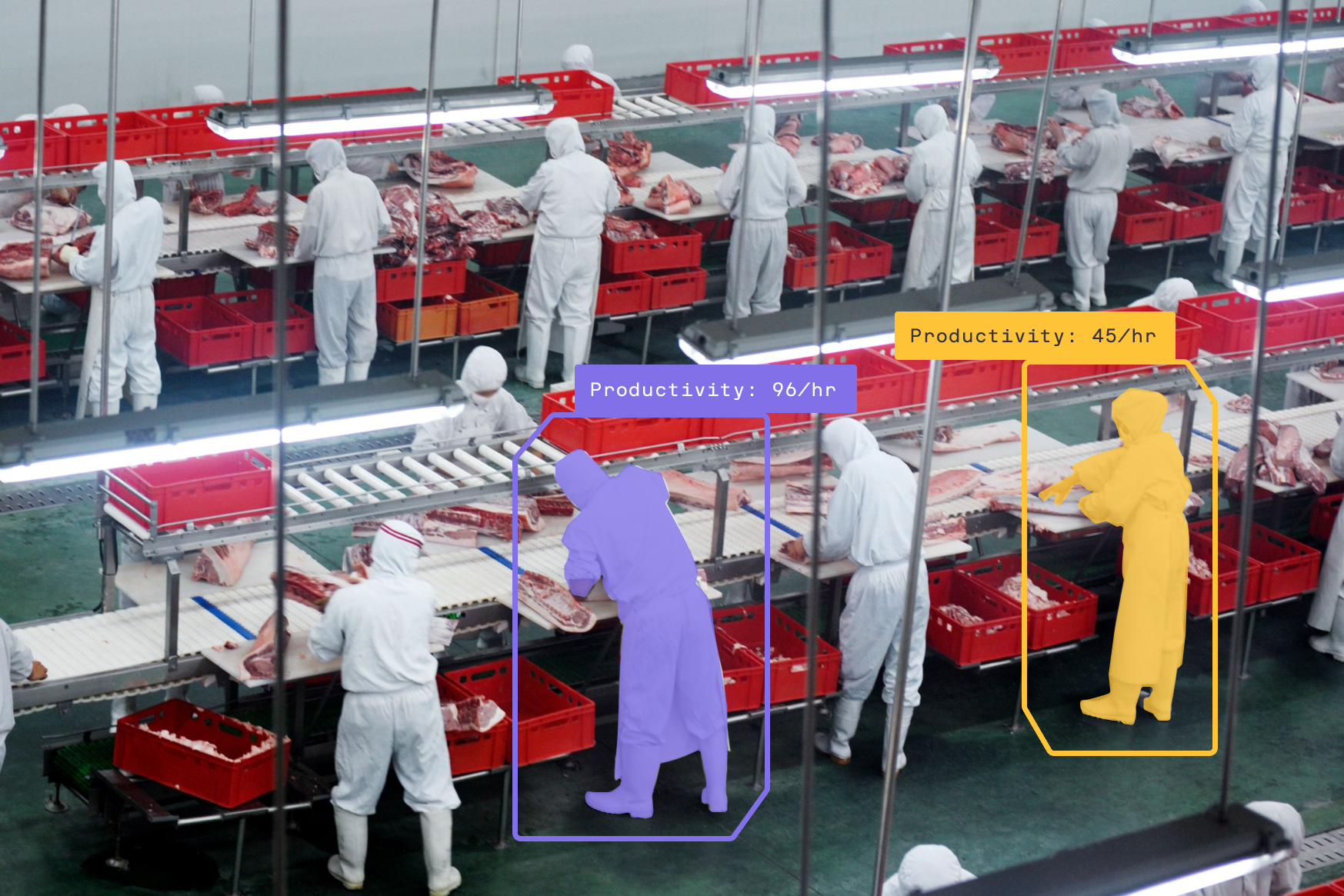
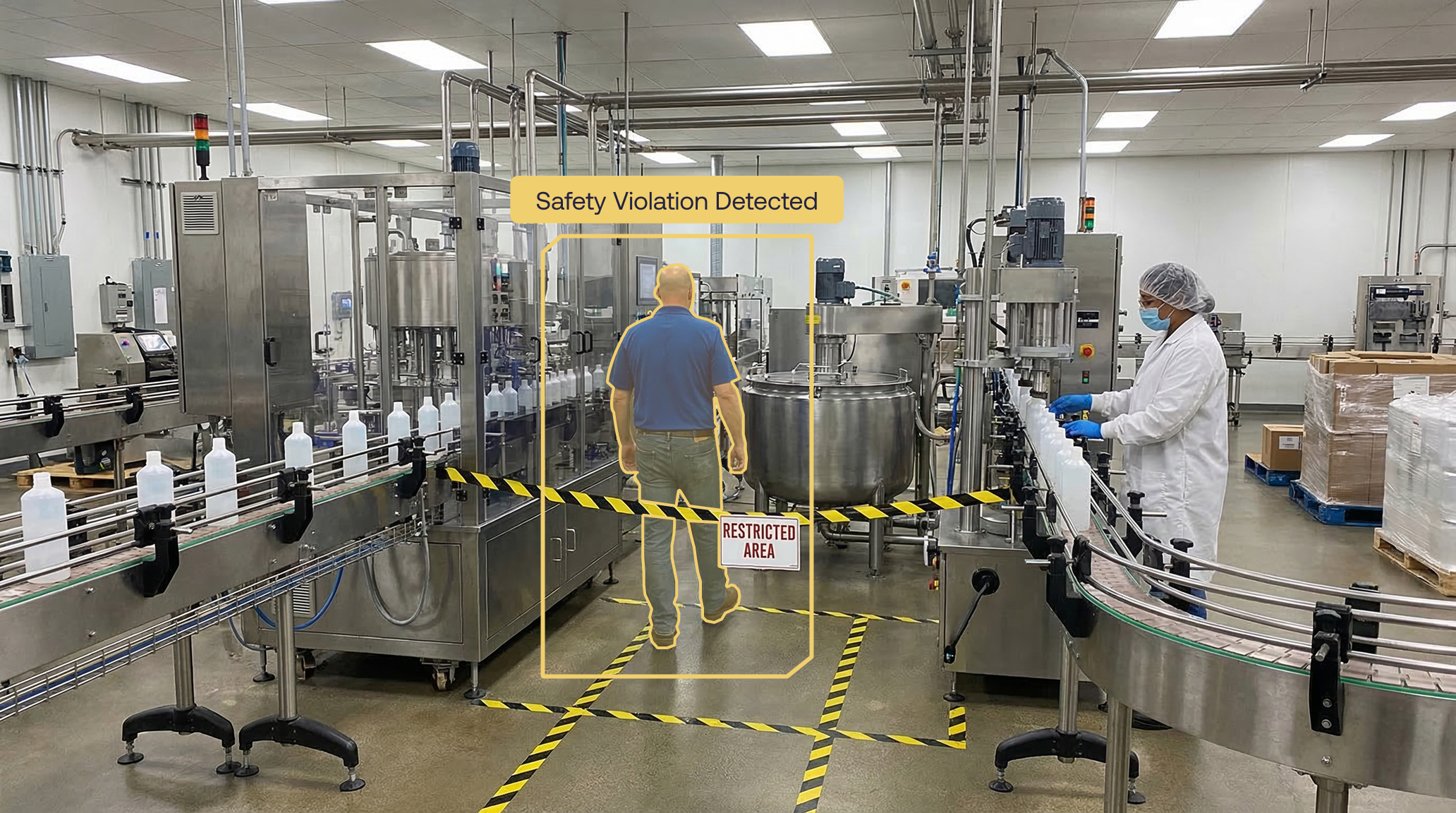
Is an assembly cell experiencing an ergonomic bottleneck because the incoming material size changed? Is there a specific area where cross-contamination risks or safety deviations are beginning to trend?
With AI-driven insights, the supervisor stops pacing aimlessly. They can walk directly to the exact station that needs help, armed with objective, real-time data. It transforms their role from a reactive, stressed firefighter into a proactive coach, which directly improves team morale, reduces floor friction, and keeps line speeds and OEE optimized.
3. The Plant Manager: Operational Truth Over Subjective Reporting
For plant managers and operations directors, the daily production meeting can often feel like a frustrating game of finger-pointing. When throughput numbers are down or yields fail, maintenance blames operations, operations blames raw material consistency, and sanitation or logistics is caught in the middle. Without objective data, decisions are made based on who speaks the loudest or who has the most seniority.
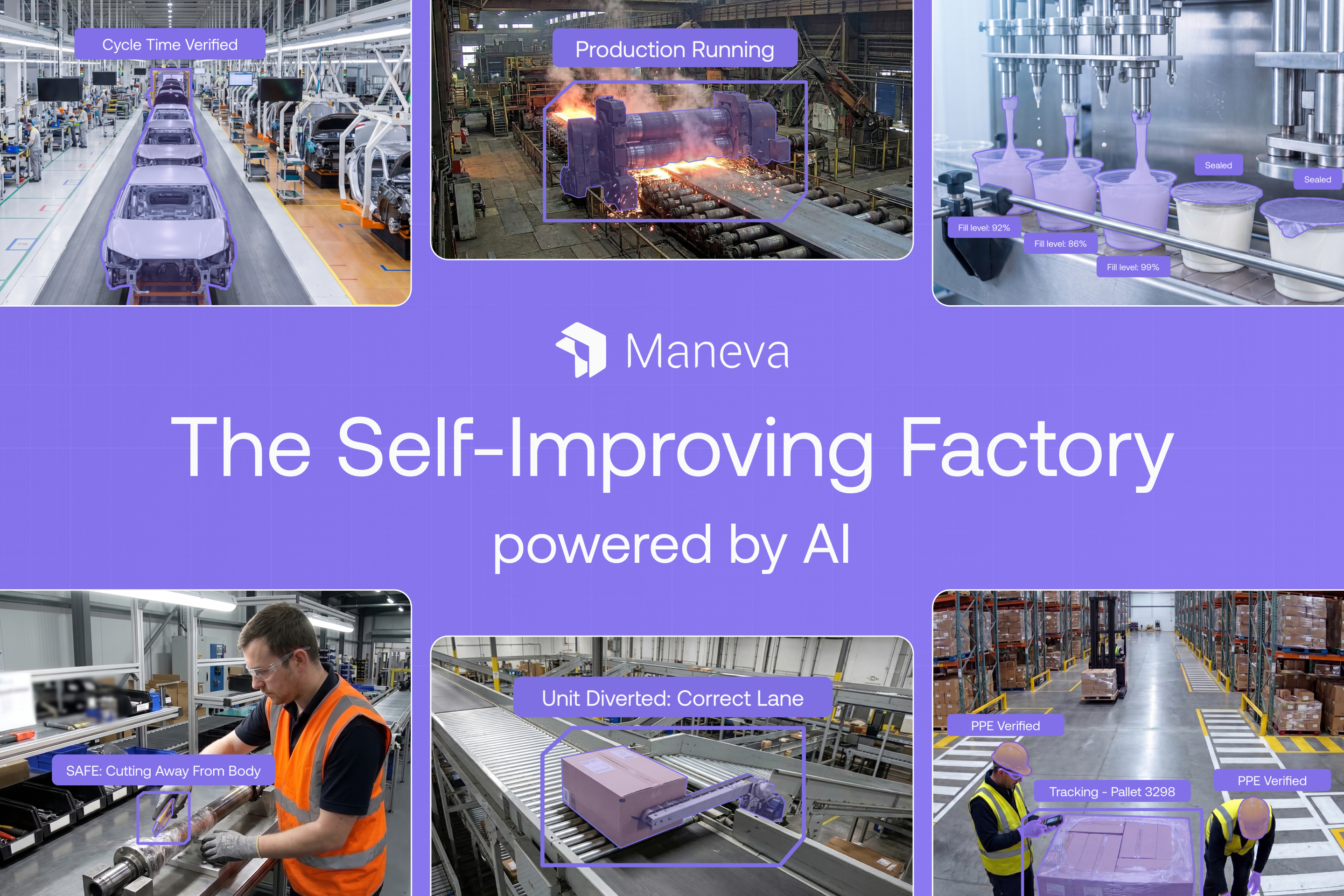
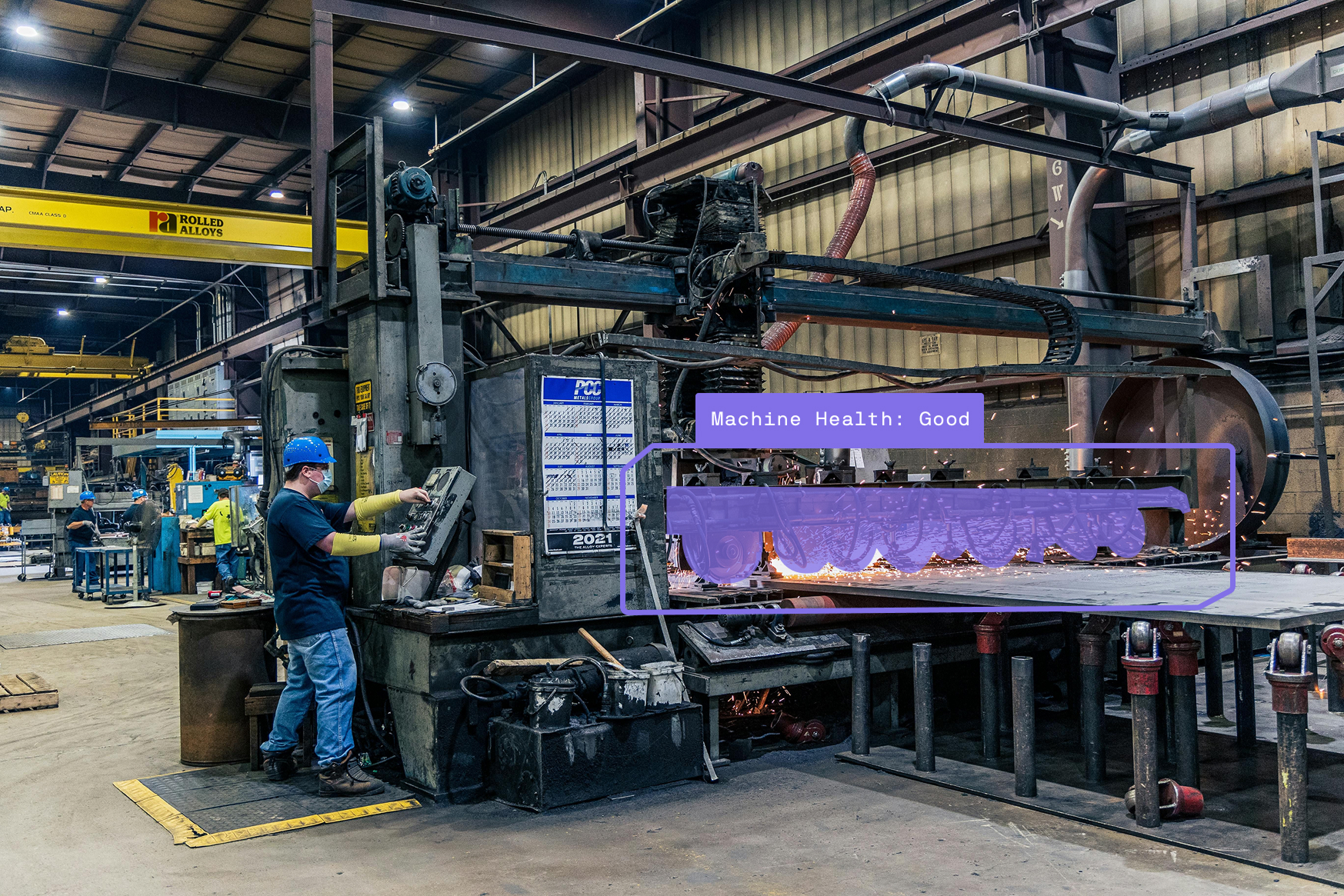
The AI Shift: AI provides a single, unarguable source of operational truth. By converting raw video footage of complex production areas, like high-speed processing, fabrication, or packaging, into concrete, structured data, the plant manager can see the entire facility's health at a glance.
You remove the emotion from continuous improvement and Lean Six Sigma initiatives. You are no longer guessing why the night shift underperformed compared to the day shift. You have visual, quantified proof of the exact process deviations, material pauses, or station imbalances that caused the lag. This allows management to deploy engineering and training resources with surgical precision, maximizing the plant's Return on Investment and overall smart factory performance.
The Executive Bottom Line: Retention and Margin Protection
When CEOs ask how AI increases employee performance, the answer isn't about automation or replacing human labor. It's about reducing the cognitive load and operational friction that drives people to quit. McKinsey's 2025 survey of manufacturing COOs found that only one-third of manufacturers have scaled AI across their networks. The plants pulling ahead are the ones connecting AI to frontline workflows, not to back-office dashboards.
In modern manufacturing, performance and retention are explicitly linked. When operators feel supported by real-time tools, when supervisors have time to actually coach rather than police, and when managers make data-backed decisions, plant culture improves. By leveraging Maneva's VITA and ALIS agents to give your workforce immediate clarity, targeted focus, and objective truth, you don't just optimize operator efficiency. You actively protect your margins, stabilize your workforce, and secure your competitive advantage through AI-driven productivity efficiency.
Ready to see how Video-to-Action AI changes frontline performance on your floor? Book a demo at maneva.ai for a custom assessment.