
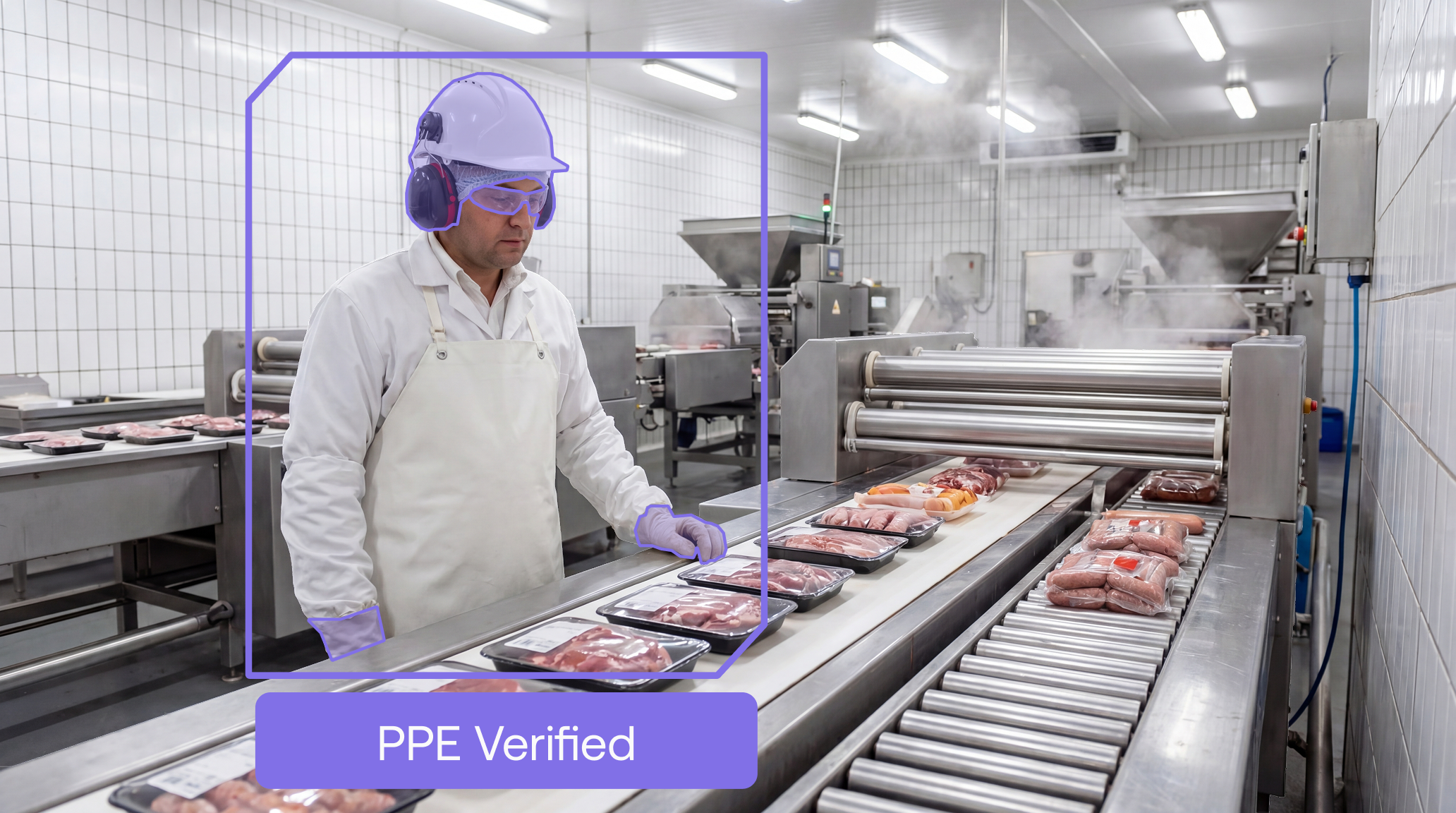
What it catches
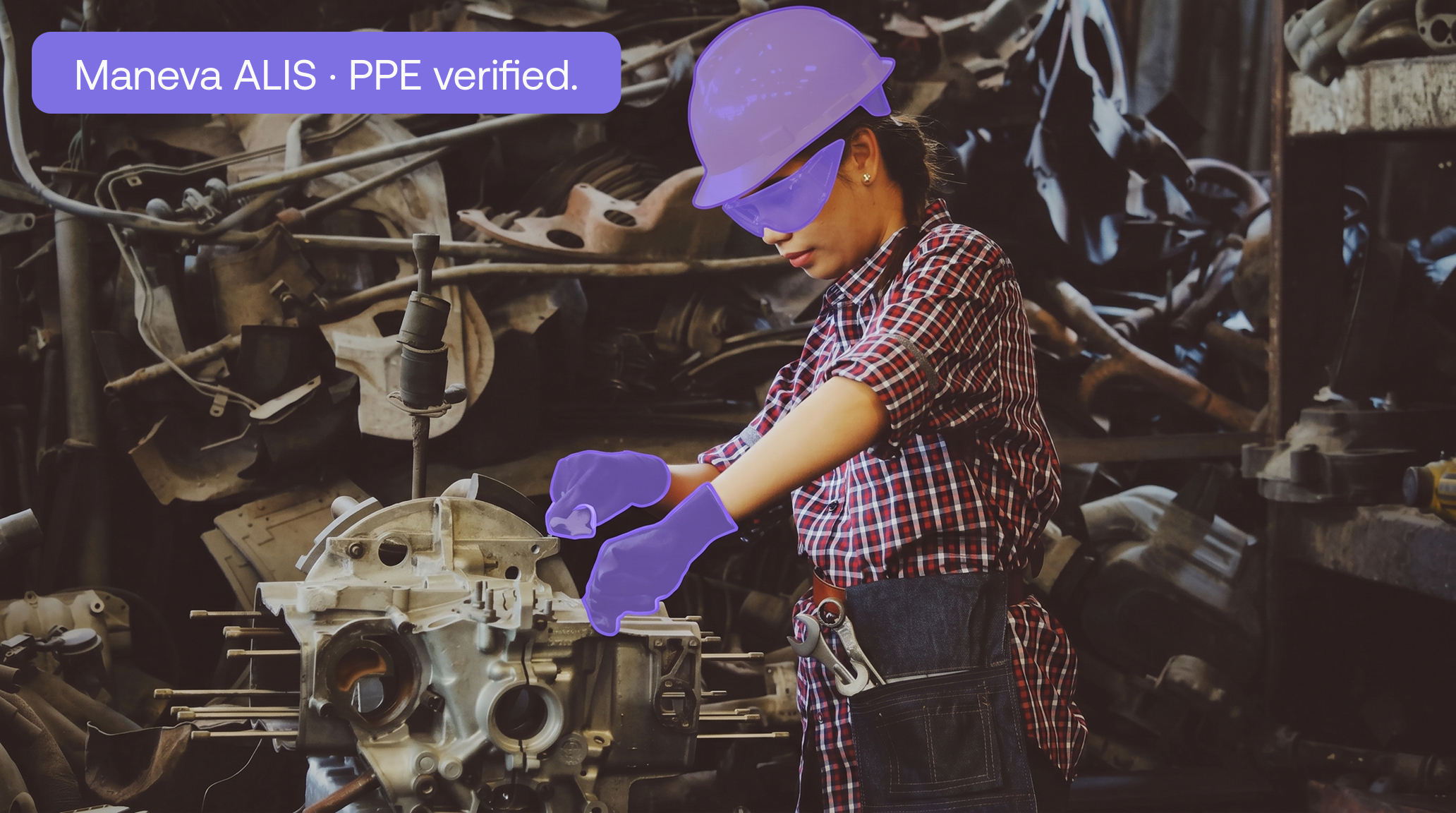
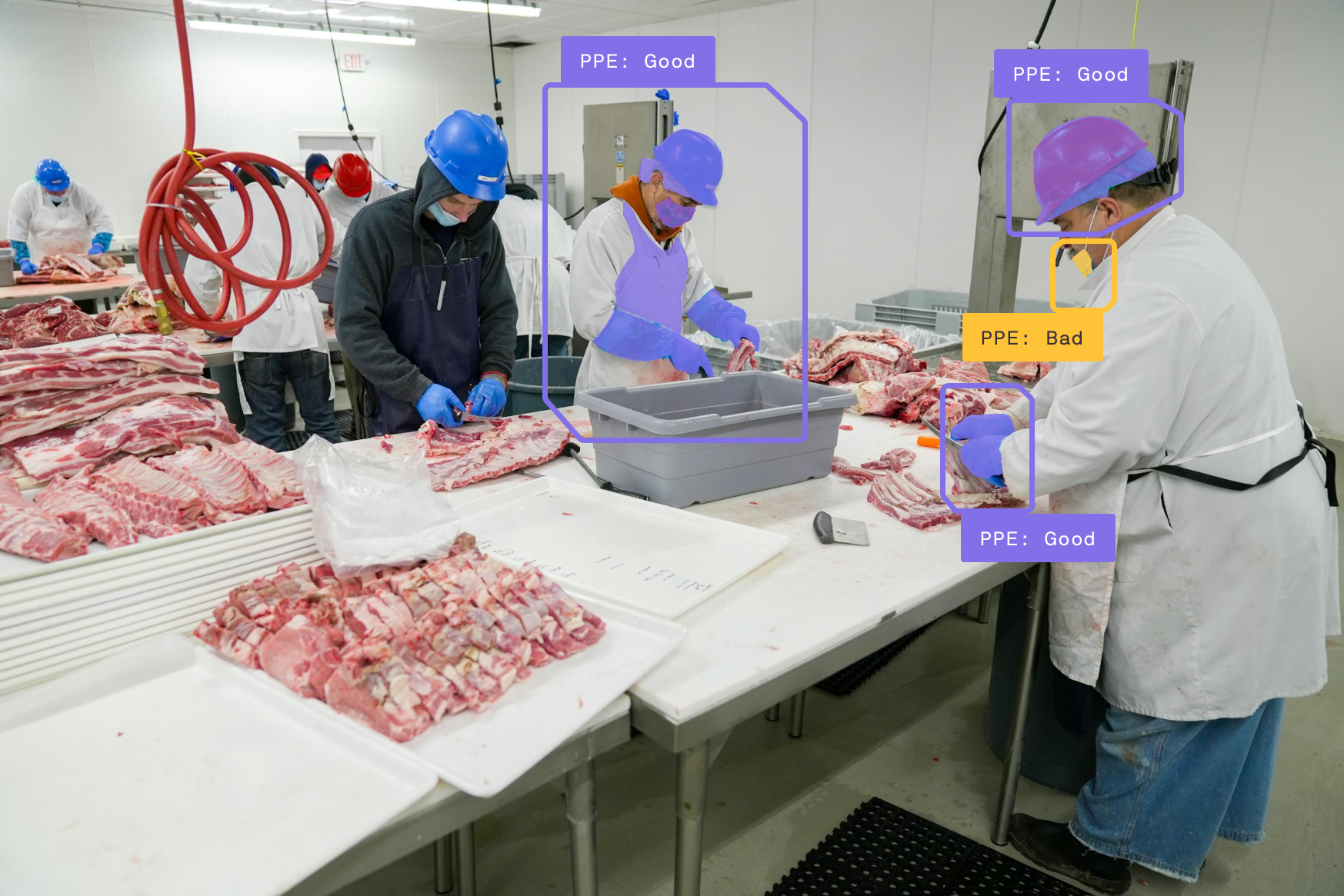
In each area of a meat plant, ALIS checks that every person wears what your plant requires there, such as:
- Hairnets wherever product is open
- Gloves at cutting, trimming and packing stations
- Bump caps or hard hats
- Safety vests around moving equipment
- People entering an area without the gear it requires
Why spot checks miss it
A supervisor cannot watch every station every minute. Gloves come off for a moment, a hairnet slips, someone steps onto the floor from a break without the right gear. Spot checks catch a fraction of this, and paper records show that checks happened, not what the floor looked like the rest of the shift.
How it acts
ALIS checks each person against the PPE rules for that area, continuously. When required gear is missing, it can alert the supervisor right away, so the issue is fixed in minutes rather than found at the next audit.
Compliance is tracked by area and by shift, which turns PPE from a periodic check into a continuous record. Repeated gaps point to where training, layout or supply needs attention.
Where the cameras go
Standard cameras cover the entrance to production and the areas where PPE matters most, such as cutting, trimming and packing. Some plants can start with cameras they already have; many need at least one off-the-shelf camera placed for the task. Maneva helps choose the camera and where it goes.
Result
In deployments, ALIS has cut near-miss safety events by up to 50%. A food manufacturer used ALIS to make GMP and PPE compliance continuous instead of periodic. Read the customer story.
Why spot checks fall short: What manual PPE checks miss →
Frequently Asked Questions
Didn't find what you need? Our team will walk you through Video-to-Action AI and show how it fits your production environment.