
Deep Learning Machine Vision in Manufacturing: Why Rule Based Factory Systems Are Already Outdated
Manufacturing is rapidly changing, but many factories still rely on inspection systems designed for a different era. Deep learning machine vision manufacturing solutions are now replacing traditional rule based systems that once represented the cutting edge of industrial automation. Legacy rule based machine vision helped manufacturers detect defects and automate repetitive inspection tasks for decades. Today, however, these systems are increasingly struggling to keep pace with modern production environments. As factories become more complex, product variations increase, and quality expectations rise, manufacturers are shifting to AI quality control manufacturing platforms powered by adaptive deep learning.
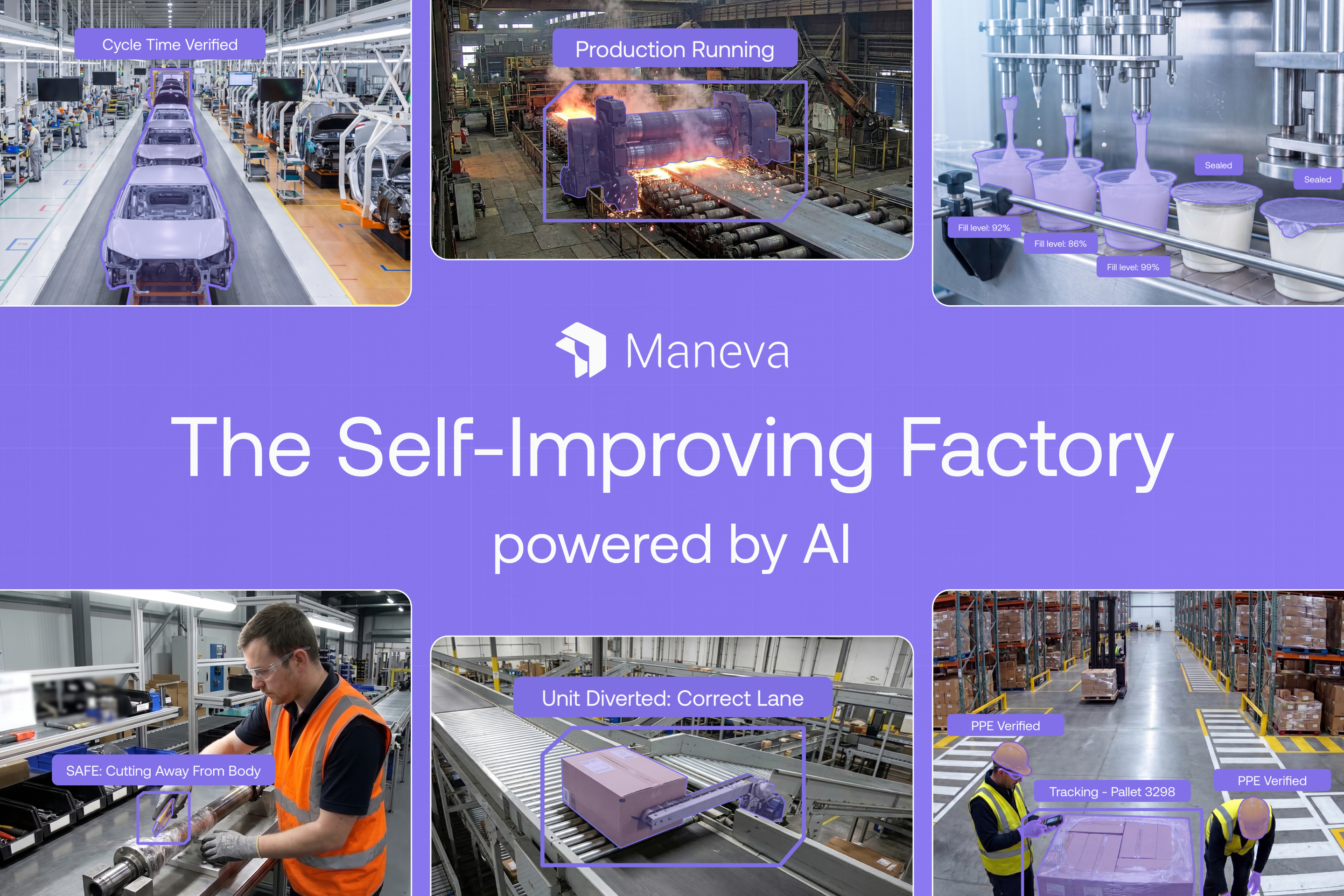
AI-driven computer vision inspection software is proving faster, more flexible, and significantly more accurate than conventional systems. Maneva AI is leading this transformation by helping manufacturers modernize AI quality control manufacturing workflows and production monitoring using adaptive AI models that learn, improve, and scale across factory operations.
What Is Rule Based Machine Vision?
Traditional rule based machine vision systems operate using predefined rules programmed by engineers. These systems rely on fixed logic such as:
- Edge detection
- Color thresholds
- Pattern matching
- Pixel measurement
- Geometric tolerances
For example, a rule based system may be programmed to reject a product if a label appears outside a specific coordinate range, or if a measured dimension exceeds a tolerance threshold. For years, this approach worked reasonably well in controlled production environments with highly standardized products. But modern manufacturing rarely stays static. Today's production lines often involve:
- Frequent SKU changes
- Custom packaging
- Variable lighting conditions
- Mixed materials
- High-speed throughput
- Complex defect patterns
Under these conditions, rigid rules become difficult to maintain. Even minor production changes can require extensive reprogramming, calibration, or downtime, which is why deep learning machine vision manufacturing is now the preferred path forward for high-mix factories.
The Core Problem with Legacy Vision Systems
The biggest limitation of rule based machine vision is that it cannot truly understand what it sees. Traditional systems only follow instructions written by engineers. If a defect falls outside predefined parameters, the system may miss it entirely. False positives are also common, especially when lighting, angles, or product appearance changes slightly. This creates several operational problems:
- High Maintenance Costs: Engineers spend significant time adjusting thresholds, rewriting logic, and recalibrating cameras whenever production conditions shift.
- Poor Scalability: Adding new product lines or inspection scenarios requires extensive manual configuration.
- Limited Adaptability: Legacy systems struggle with unpredictable or subtle defects that are difficult to define through fixed rules.
- Inconsistent Accuracy: Environmental changes like glare, shadows, or packaging variation reduce detection reliability.
As manufacturers pursue leaner operations and higher throughput, these limitations become increasingly expensive, particularly when compared against modern AI quality control manufacturing platforms that adapt automatically.
Deep Learning Machine Vision Manufacturing Changes Everything
Deep learning machine vision manufacturing systems work differently. Instead of relying on hardcoded rules, deep learning models train on real production images and video data. The AI learns to recognize patterns associated with:
- Good products
- Defective products
- Process anomalies
- Safety violations
- Equipment issues
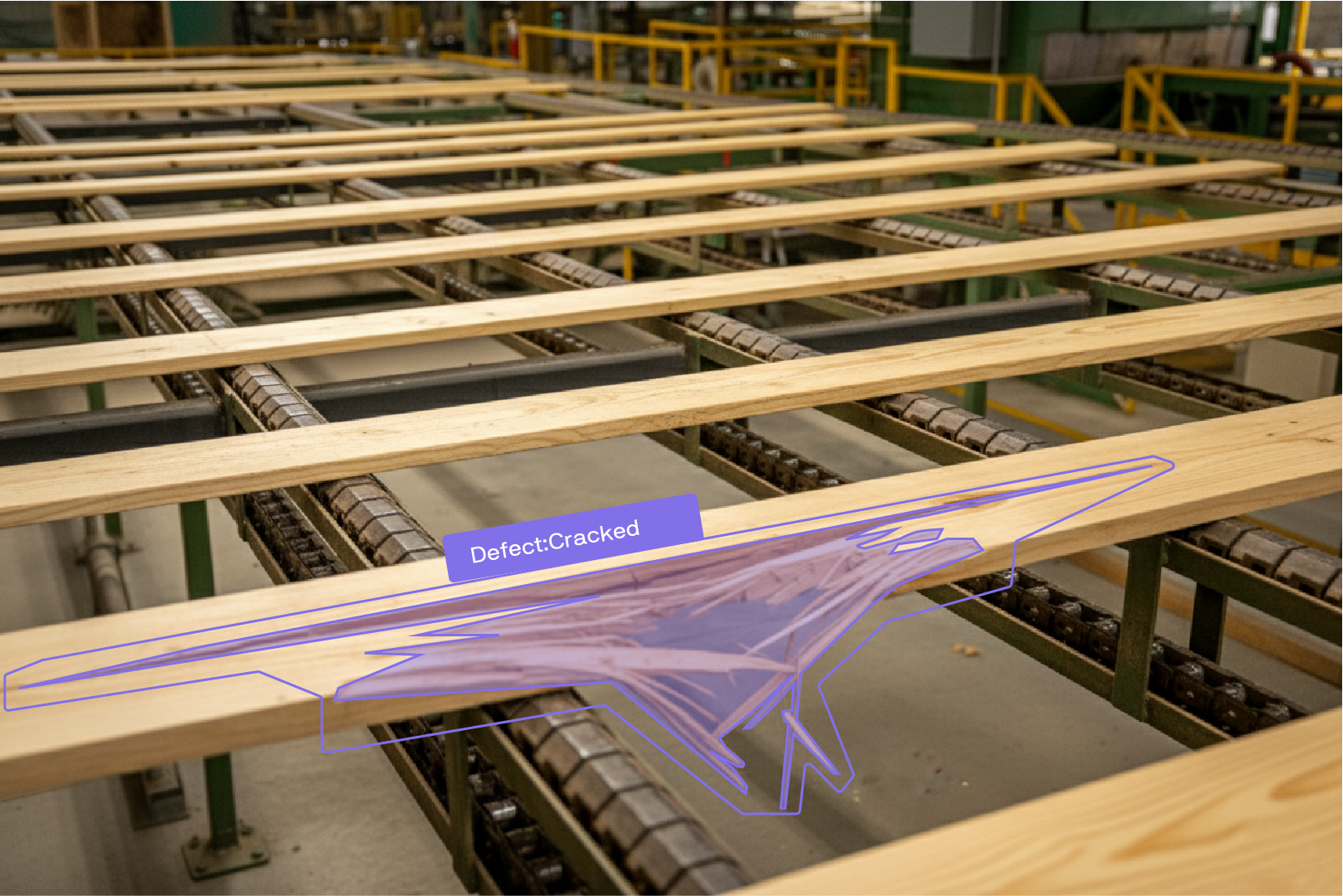
This allows the system to make intelligent decisions based on learned visual understanding rather than rigid programming. Modern AI computer vision inspection software can identify defects that traditional systems often miss, including:
- Hairline cracks
- Surface contamination
- Packaging irregularities
- Print quality issues
- Missing components
- Product deformation
Unlike rule based systems, deep learning models improve over time as they process more production data, which makes them well suited to high-mix, high-speed operations.
Why Manufacturers Are Switching to Deep Learning AI Inspection Software
The shift toward AI powered inspection is accelerating because manufacturers face increasing pressure to improve quality and throughput while reducing operational costs.
- Greater Accuracy: Deep learning systems analyze thousands of visual characteristics simultaneously rather than relying on a few fixed measurements. According to Maneva AI, AI based inspection systems can reach up to 99.9% model accuracy in manufacturing environments.
- Reduced False Positives: Traditional systems frequently reject acceptable products because of minor environmental changes. Deep learning models are better at distinguishing real defects from harmless variation, which helps manufacturers reduce unnecessary waste and rework.
- Faster Deployment: Rule based systems often require lengthy engineering setup and custom programming. AI driven systems can be trained more rapidly using production images, and Maneva's platform is designed to integrate with existing factory cameras and infrastructure, reducing implementation complexity.
- Scalability Across Operations: AI systems adapt to multiple product lines, packaging formats, and inspection scenarios without requiring complete reconfiguration each time production changes. This flexibility is especially valuable for high-mix manufacturing environments.
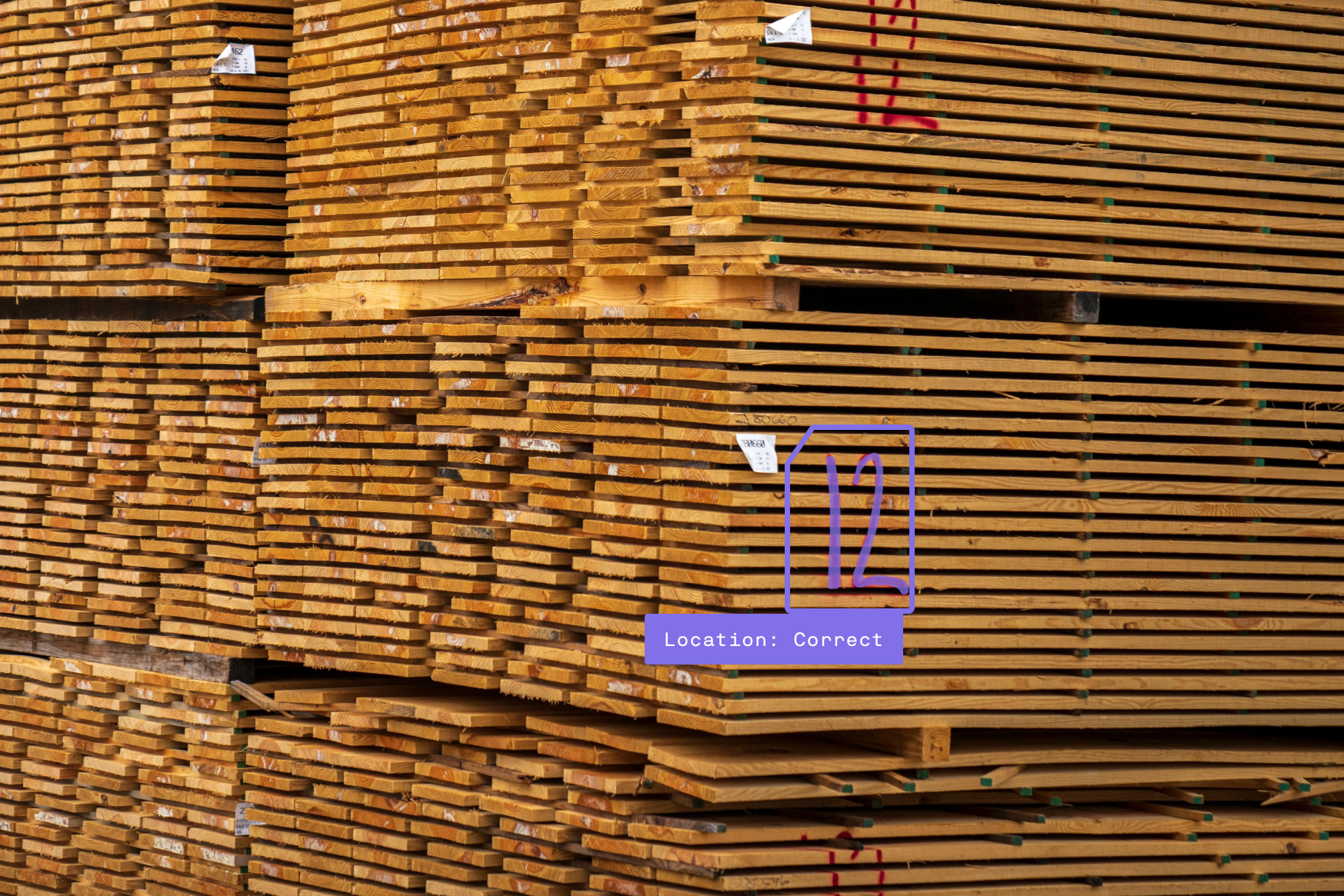
- Real-Time Operational Intelligence: Modern AI inspection platforms do more than detect defects. They provide production analytics, identify bottlenecks, and enable AI predictive maintenance manufacturing by monitoring equipment performance, flagging anomalies before they cause unplanned downtime, and helping teams optimize operations continuously.
A peer-reviewed MDPI survey of deep learning visual inspection in manufacturing confirms that convolutional neural network models consistently outperform rule based vision across accuracy, adaptability, and defect coverage in modern production environments.
Why Maneva AI is a Leader in Deep Learning Computer Vision
Maneva AI has built a strong reputation for applying deep learning computer vision directly to real-world factory challenges. Its Smart Factory platform combines:
- AI visual inspection
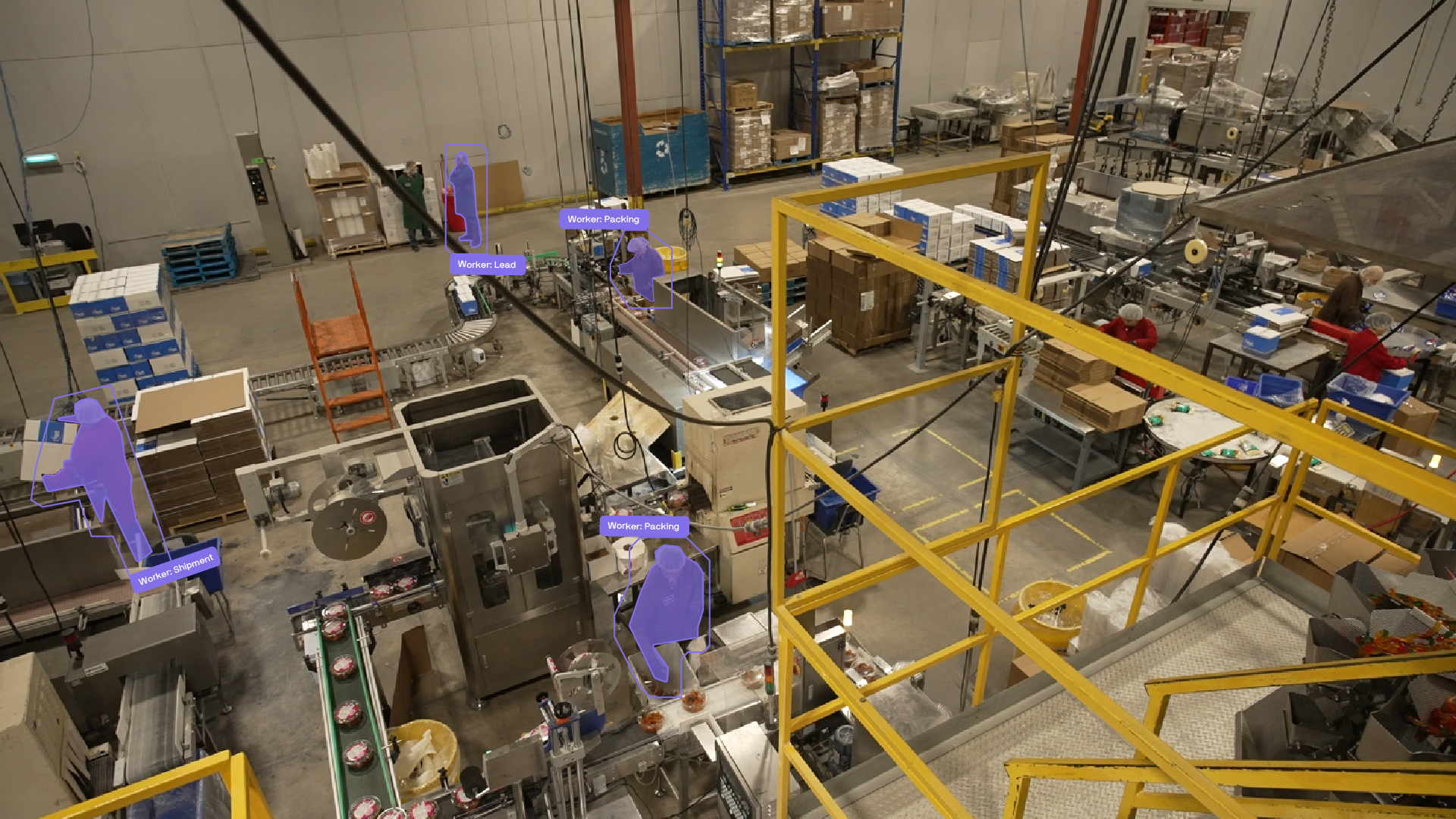
- AI production line monitoring
- Predictive operational analytics
- AI factory safety monitoring
- Automated compliance tracking
- Downtime reduction tools
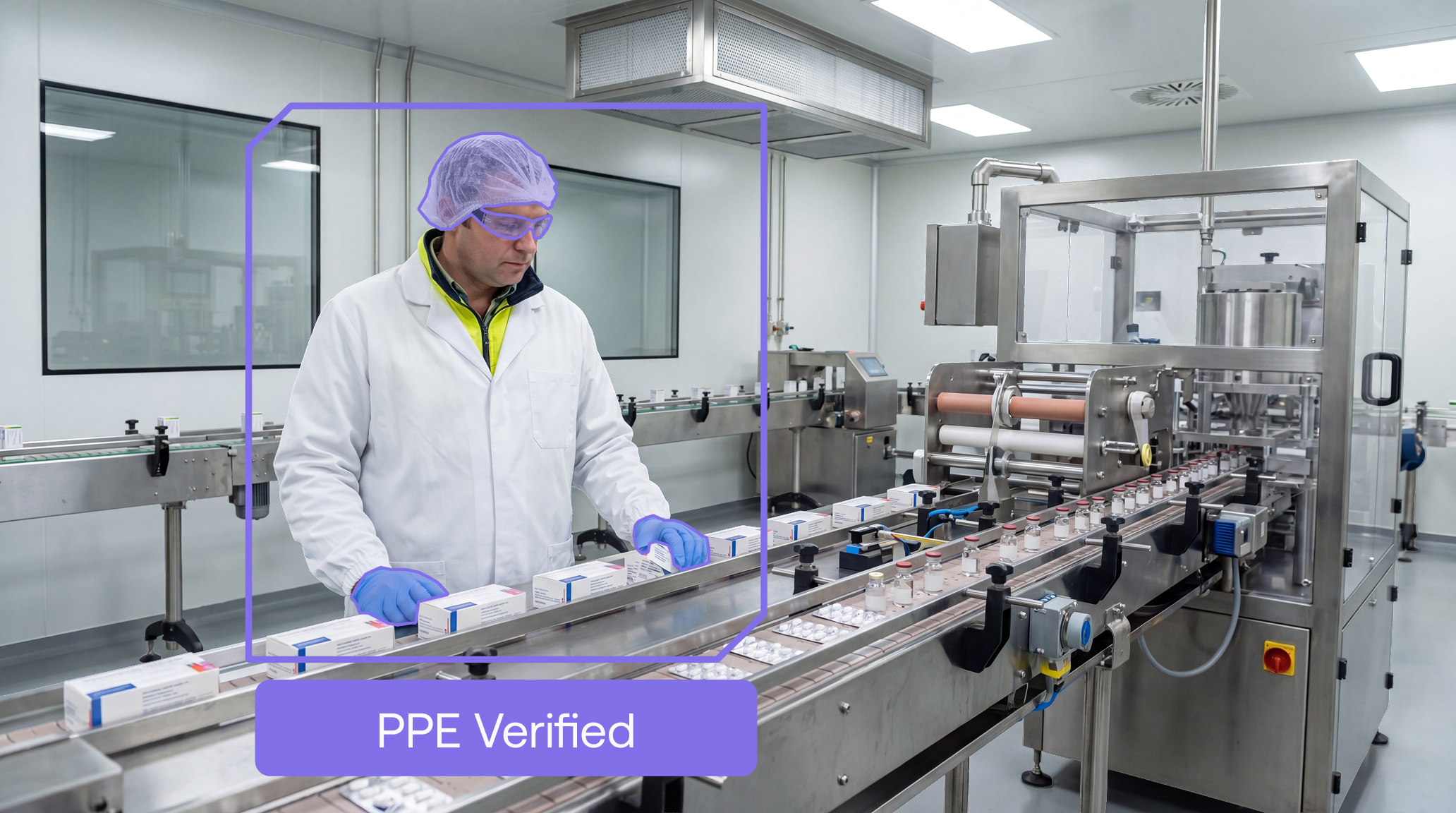
The company's Video-to-Action AI (VITA) converts existing camera infrastructure into intelligent operational systems that monitor quality and production in real time. Unlike many traditional machine vision vendors that still depend heavily on rigid rule based architectures, Maneva AI emphasizes adaptive AI models capable of learning directly from factory environments, allowing manufacturers to modernize inspection processes without rebuilding entire production systems. In addition, the AI Line Supervisor (ALIS) delivers AI production line monitoring across production flow, quality compliance, and PPE usage, giving supervisors real-time visibility that older systems cannot match.
The Future of Deep Learning Machine Vision Manufacturing
Rule based machine vision will likely continue to exist in narrow applications with highly controlled conditions. But for most modern factories, these systems are rapidly becoming outdated. Manufacturing environments are simply too dynamic for rigid inspection logic to keep pace. Deep learning machine vision manufacturing systems represent the next evolution of industrial automation because they can:
- Adapt to production changes
- Learn from new data
- Improve over time
- Scale across facilities
- Deliver higher inspection consistency
According to Deloitte's 2025 Smart Manufacturing and Operations Survey, computer vision inspection software is becoming a competitive necessity rather than an experimental technology, with manufacturers actively prioritizing AI-driven sensors and vision systems for the next 24 months. Manufacturers that continue to rely solely on legacy rule based systems may struggle with rising costs, slower production adaptability, and increasing operational inefficiencies.
Maneva AI is helping manufacturers transition toward intelligent factory operations where AI driven vision systems continuously optimize quality, efficiency, and production performance in real time. With AI predictive maintenance manufacturing and AI factory safety monitoring built into the same platform, the factories that embrace deep learning today are likely to define the future of manufacturing tomorrow.