
How to Build a Continuous Improvement Culture That AI Can Actually Scale
AI can scale continuous improvement only when leaders use it for more than detection. Its real value comes from turning operational signals into prevention loops that improve process capability, reduce costs, and accelerate learning.
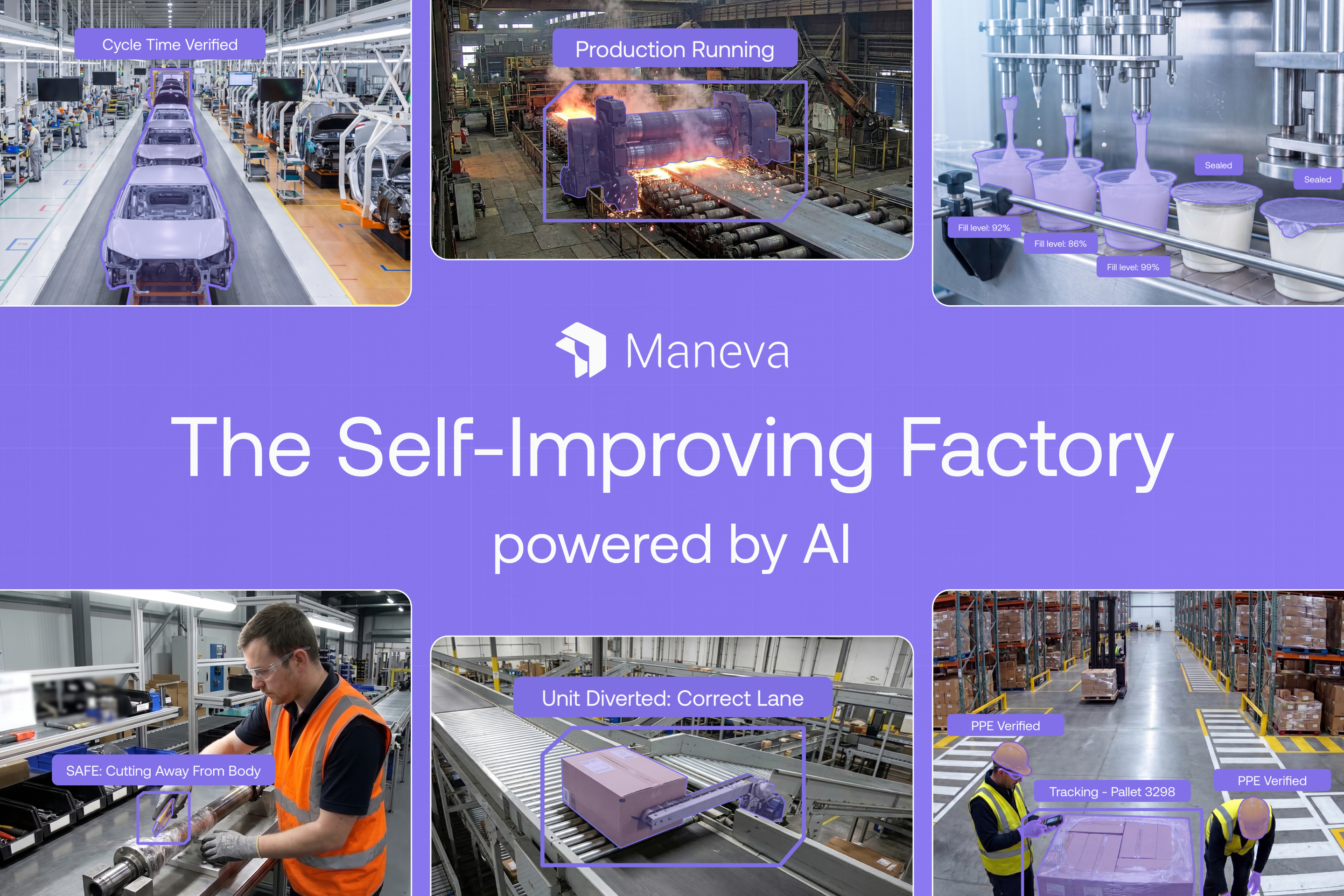
Maneva's AI capabilities give organizations a powerful operating layer. Maneva VITA can detect visual defects and trigger immediate actions. Maneva ALIS can surface non-conformities, near misses, and human-related behaviors. Together with line-balance and flow monitoring, Maneva creates faster visibility and better operating control.
Visibility alone, however, does not create competitive advantage. A world-class dashboard improves awareness; a world-class improvement system changes performance. The executive challenge is to ensure AI does not become another reporting layer, but a mechanism for redesigning processes and preventing recurrence.
This is the bridge between detection and AI continuous improvement culture. In Lean Six Sigma Meets AI, I argued that AI strengthens the CI agent's toolkit. Here, the question is bigger: how do executives turn those tools into an operating system that scales improvement across the plant.
The distinction becomes clear in three operational use cases: defect detection, availability control, and error detection.
1. Defect Detection
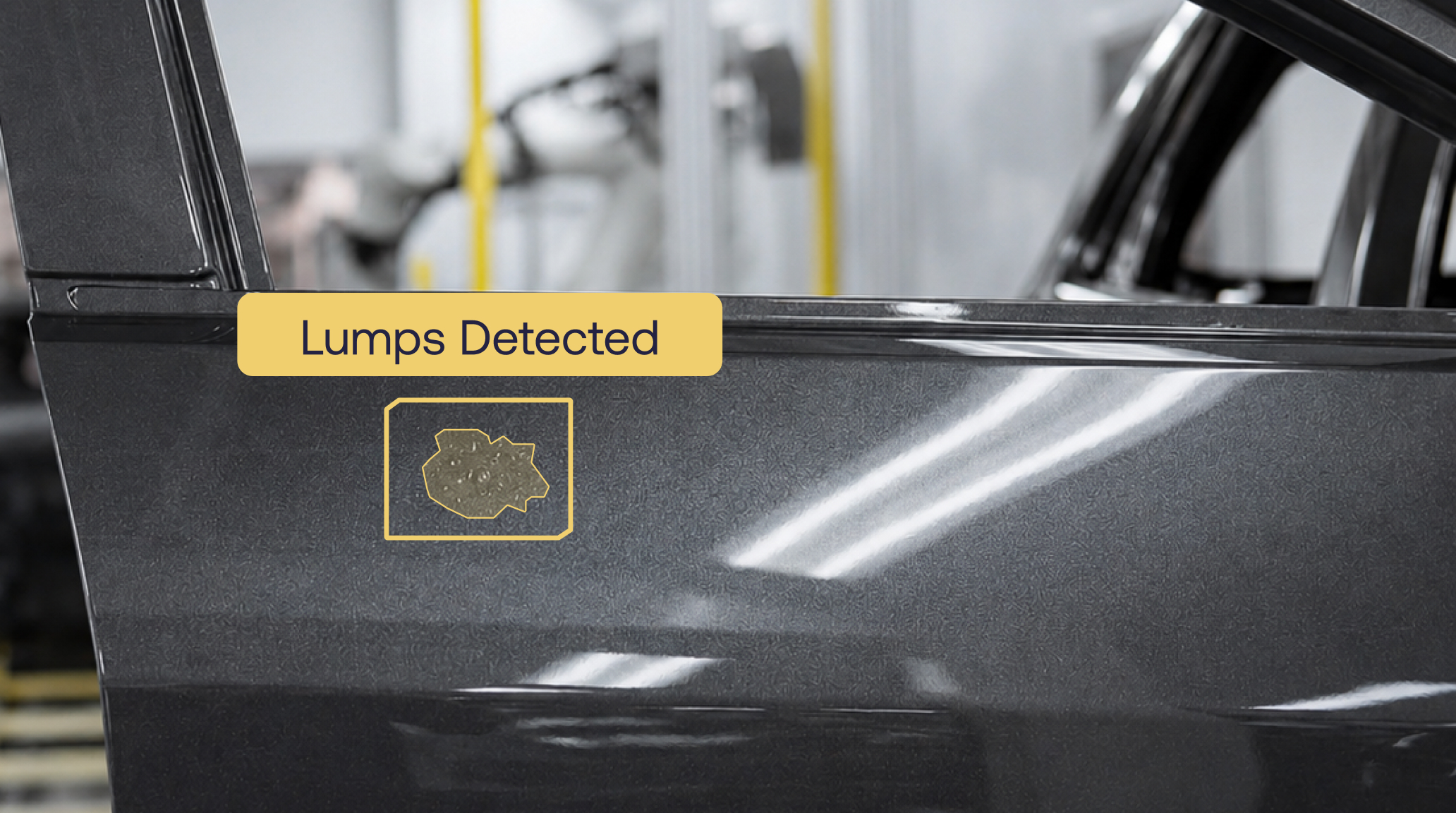
Maneva VITA can identify a wide range of visual defects, including dimensional issues, cracks, gaps, and aesthetic defects. It can also trigger automated removal of nonconforming products from the line, improving detection speed and consistency versus many traditional systems.
That is a valuable operational upgrade, but by itself it is still a one-step improvement: the organization has replaced one detection system with a better one.
The financial case for going further is well established in quality management. The Rule of Ten, as documented by ASQ, shows that defects become exponentially more expensive as they move downstream.
The Rule of Ten (1:10:100)
In practical terms, a defect caught inside the factory may cost 1 to 100 units of money. The same defect reaching the customer can cost 1,000x or more compared with catching it at the source.
When Maneva VITA is used only to detect defects, it primarily improves appraisal activities above the "waterline." That can reduce inspection costs, but the larger value comes from reducing prevention costs by eliminating the conditions that generate defects in the first place.
This is where AI becomes a CI accelerator. Maneva VITA can collect key indicators for each defect, classify recurring patterns, and help the CI agent identify why specific defects occur. Those insights can then be translated into process redesign, centerline optimization, and stronger control plans.
The result is a reinforcing improvement loop: better detection creates better root-cause data; better root-cause data improves prevention; better prevention increases process capability; and higher process capability makes the AI model more reliable. The executive value is not simply fewer escapes. It is a more robust process.
2. Availability Control
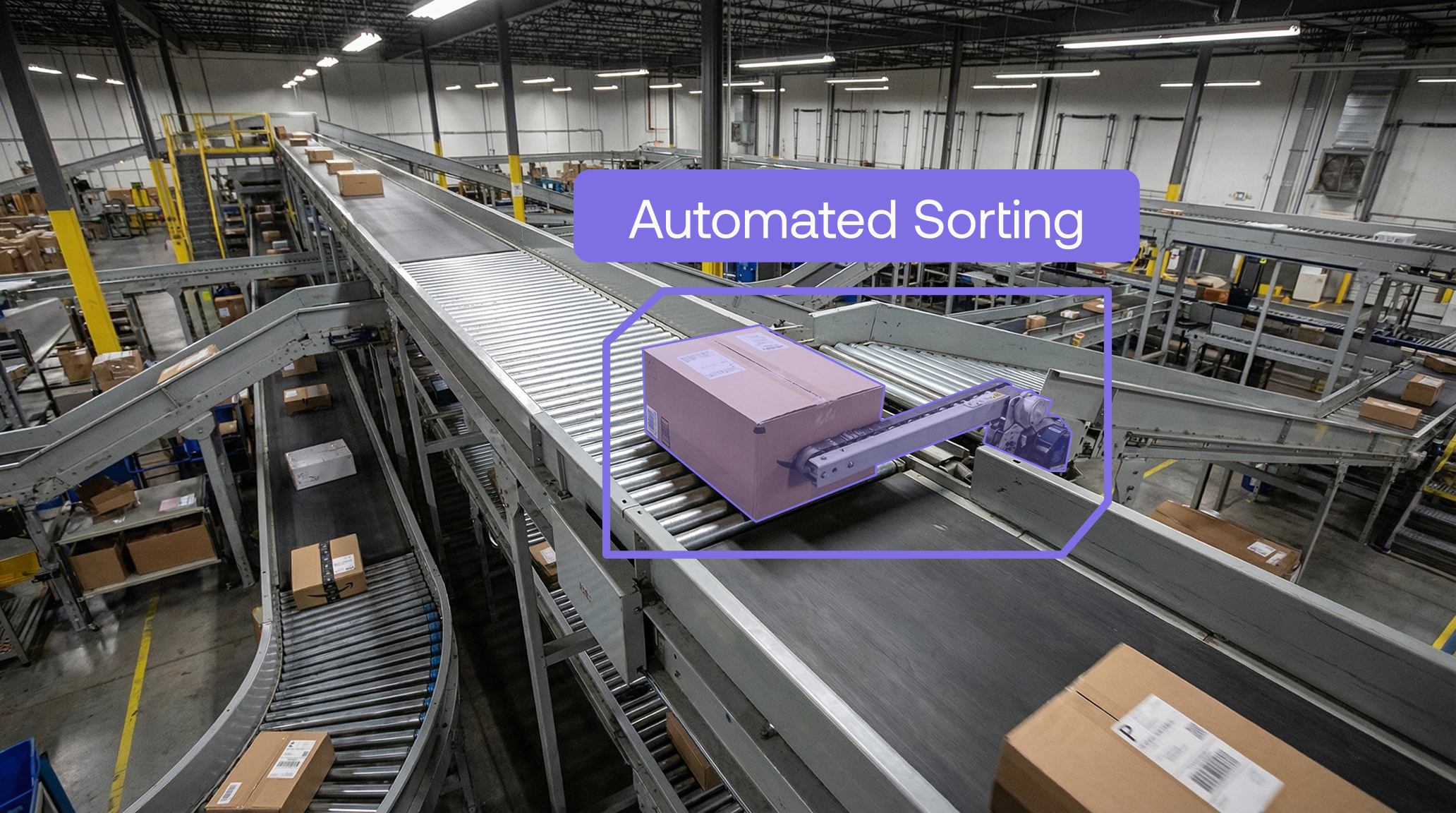
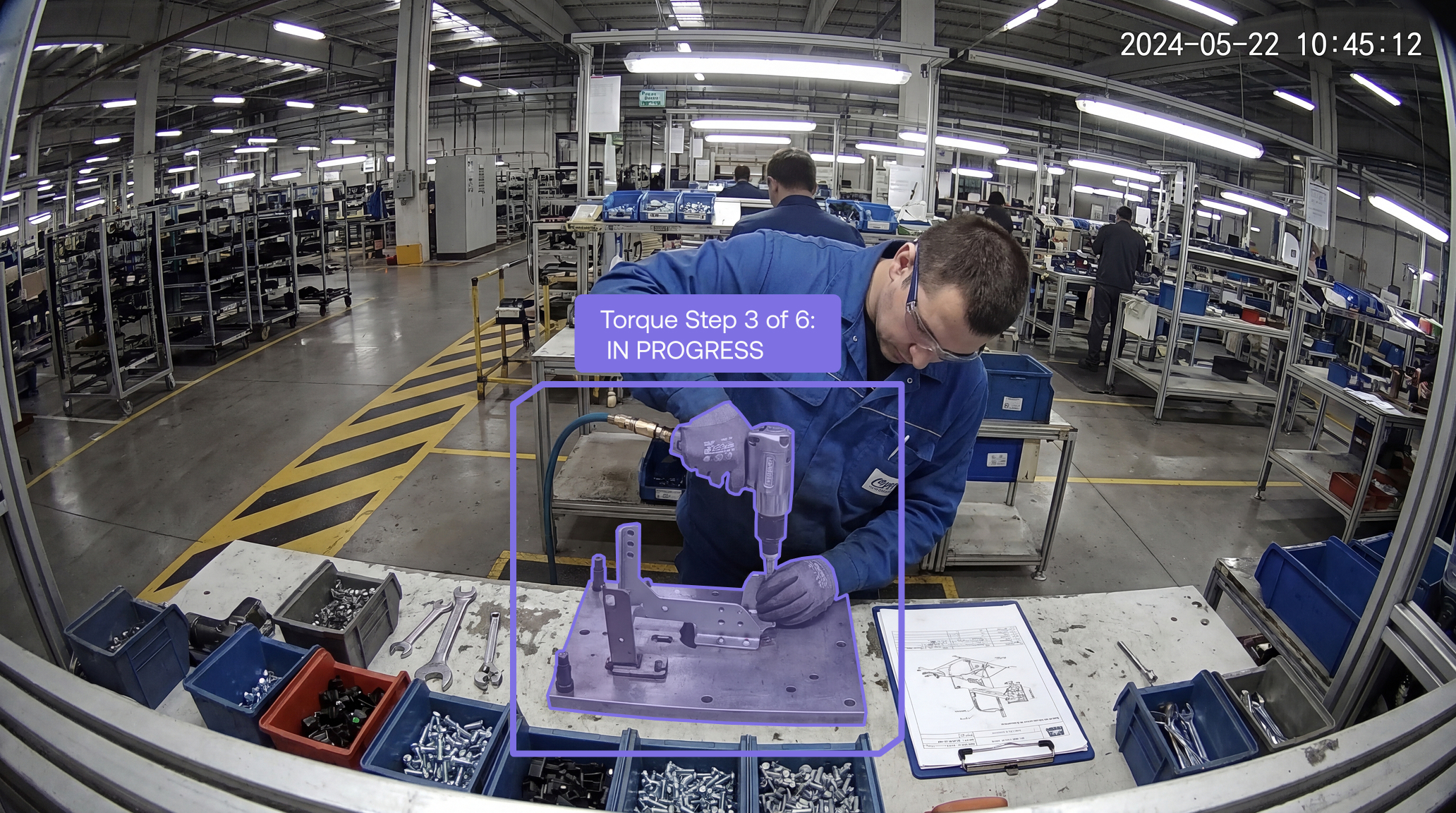
Maneva ALIS can detect movement and determine whether an asset is running, often without adding sensors to every part of the line. A single camera with a clear line overview can provide machine-level availability visibility.
This immediately eliminates low-value manual reporting and enables direct actions such as reducing conveyor speed, warning of an imminent jam, or calling maintenance. Again, those are valuable improvements, but they are not yet a scalable CI system.
The larger opportunity is to use availability data to change management routines. Instead of spending time explaining downtime after the fact, teams can move directly into data-driven prevention actions, such as:
- Optimizing line speeds to account for recurring micro-stoppages while root causes are being addressed.
- Improving preventive maintenance schedules based on observed breakdown frequency.
- Comparing supplier performance and total cost of ownership using breakdown frequency, MTBF, and asset life-span data.
- Shifting maintenance from fixed calendar intervals to usage-based triggers aligned with actual running hours.
This creates a second reinforcing loop. As teams act on AI-generated recommendations, the operating system becomes more stable. As stability improves, the AI model receives cleaner signals and produces better recommendations. McKinsey's research on scaling AI in manufacturing operations confirms that availability improvement becomes a learning system, not a reporting process, when executives wire AI recommendations into daily management routines.
3. Error Detection
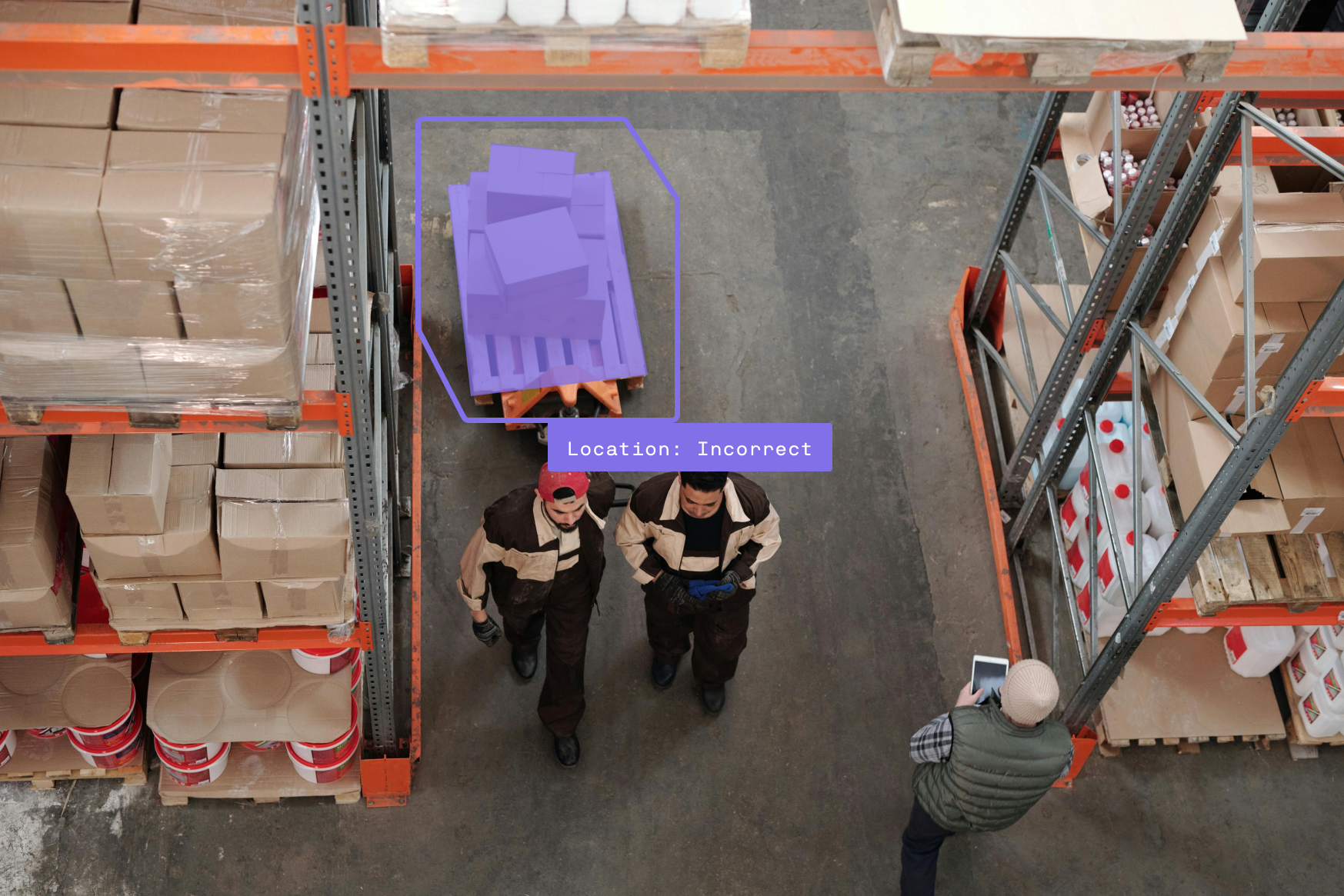
Maneva AI can read and interpret barcodes and labels, reducing manual label checks and enabling immediate response to labeling errors. It can also detect mismatches between product requirements and process settings, which is often where the larger risk sits.
Used only as a gatekeeper, AI prevents individual errors from escaping. Used as a CI mechanism, it reveals why the process allows those errors to occur. Leaders should use that information to redesign workflows, reduce variation, and strengthen controls. The more variability the organization removes, the better the AI performs; the better the AI performs, the stronger the organization's learning cycle becomes.
Executive Takeaway
The strategic question is not whether AI can detect more, faster. It can. The strategic question is whether the organization will use that detection capability to build better processes. AI delivers the highest return when it is embedded into AI continuous improvement culture routines: detect, explain, recommend, redesign, and learn. That is how AI moves from a productivity tool to an operating-system advantage.
If you're rethinking how AI fits into your CI operating model, book a demo at maneva.ai to see how Maneva's AI agents support prevention loops on the floor, not just detection.