
Lean Six Sigma Meets AI: The Next Phase of Continuous Improvement
Why "More" Data-Driven?
Continuous improvement was always intended to be data-driven. In practice, however, many businesses still rely heavily on instinct, assumptions, and gut feeling. The shift toward AI continuous improvement is what closes that gap.
At its core, continuous improvement asks one essential question: how can we make this better? That question is constant across every process, every business, and every CI professional's work.
The CI Agent's Toolbox
To answer that question, the CI agent relies on a broad toolbox: templates, methods, frameworks, and problem-solving disciplines that help clarify the issue and guide the path toward a solution.
As Maslow's famous idea suggests, when the only tool you have is a hammer, every problem begins to look like a nail. A strong CI agent avoids that trap. Not every problem is a Lean problem, and not every problem is a Six Sigma problem. Some are better addressed through 8D, others through PDCA, and some require change management more than technical analysis.
That is why debates about which methodology is "best" often miss the point. Watching Lean practitioners argue with Six Sigma practitioners can feel like listening to someone with a drill argue with someone holding a saw. The question is not which tool is superior; the question is which tool fits the problem.
If someone is determined to use a saw to drill a hole, AI will not help much. But for a capable CI agent who knows how to choose the right tool, Lean Six Sigma AI can significantly raise the level of performance. It does not replace the CI agent; it strengthens the agent's ability to see, analyze, and act.
AI as the CI Assistant
Think back to Lean certification training and the classic spaghetti diagram exercise. Teams would gather in a room, draw flows on a whiteboard, and map how people, materials, or products moved through a process. The goal was to understand and optimize flow.
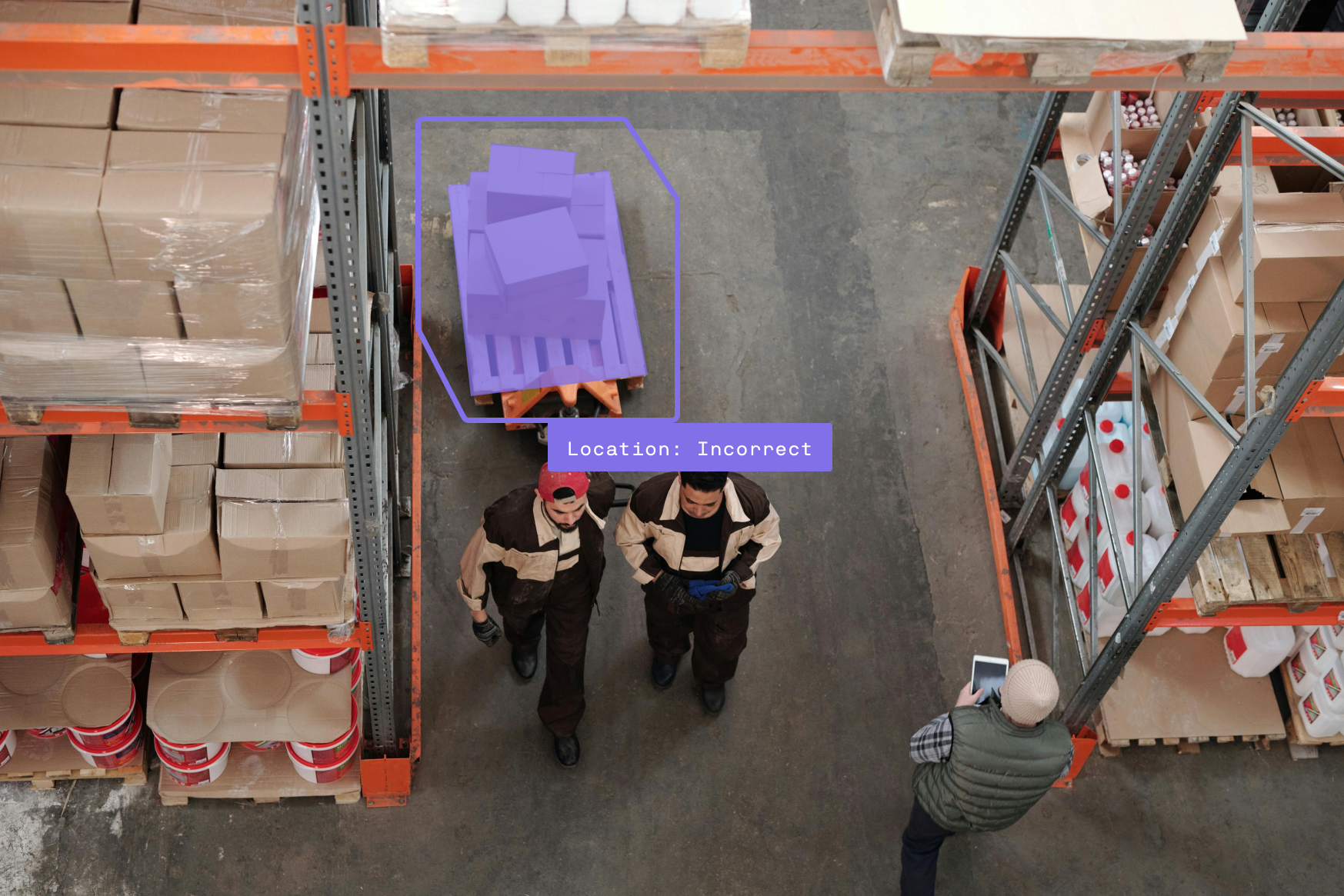
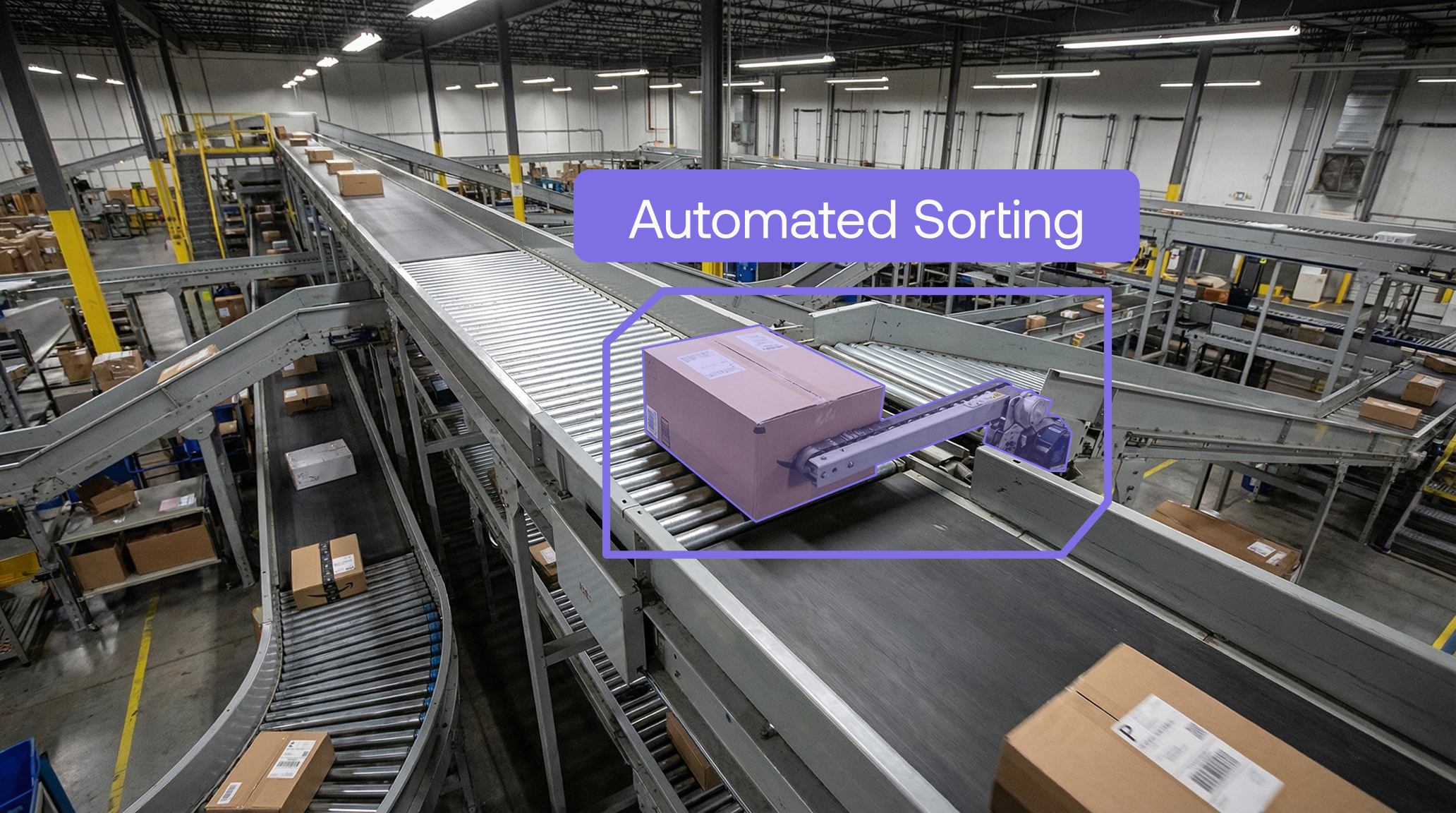
With Maneva's ALIS (AI Line Supervisor) agent, that movement can be monitored continuously. Instead of relying on a theoretical path imagined during a workshop, the CI agent can work with the real flow, including actual frequencies, patterns, and deviations.
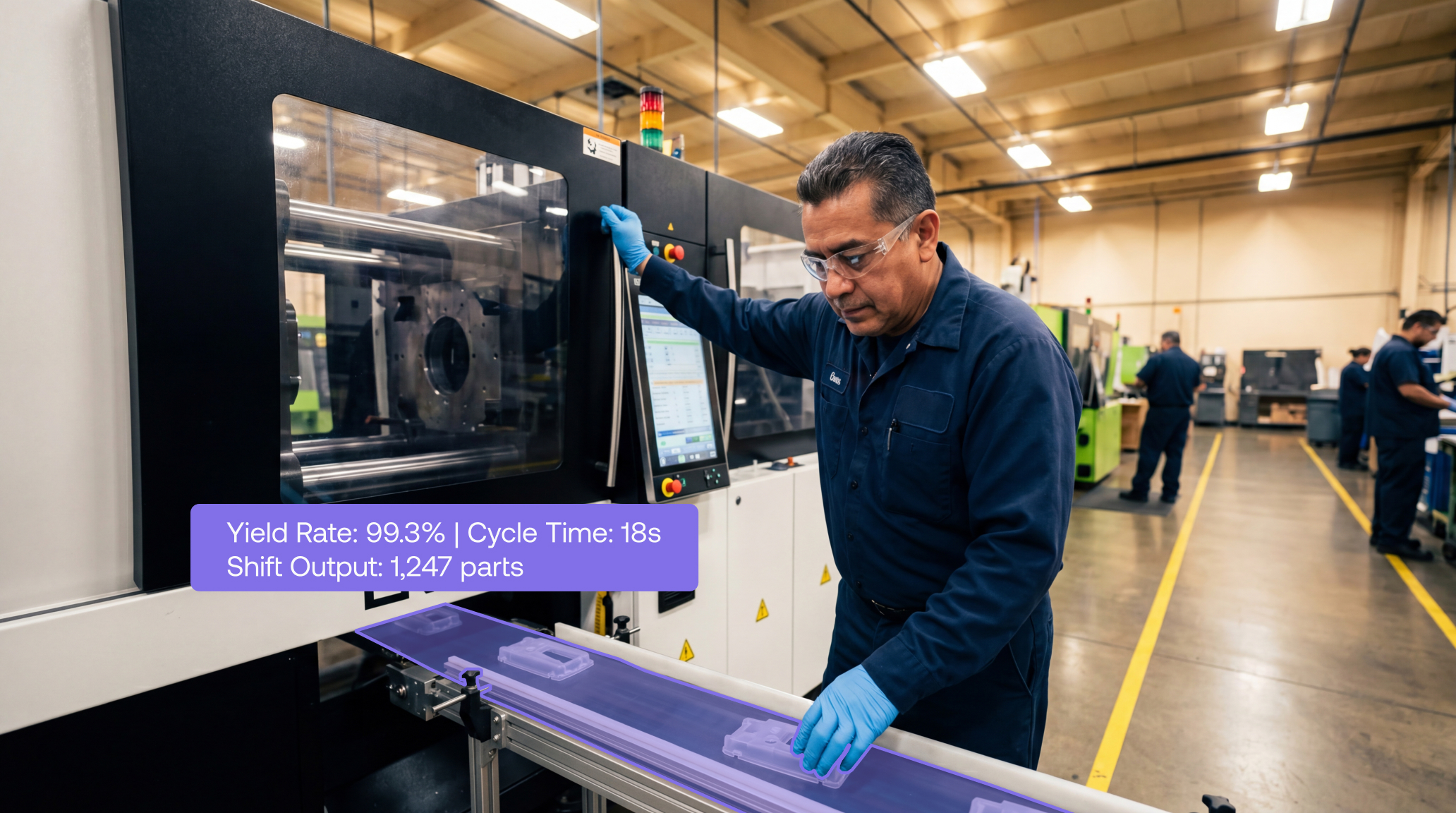
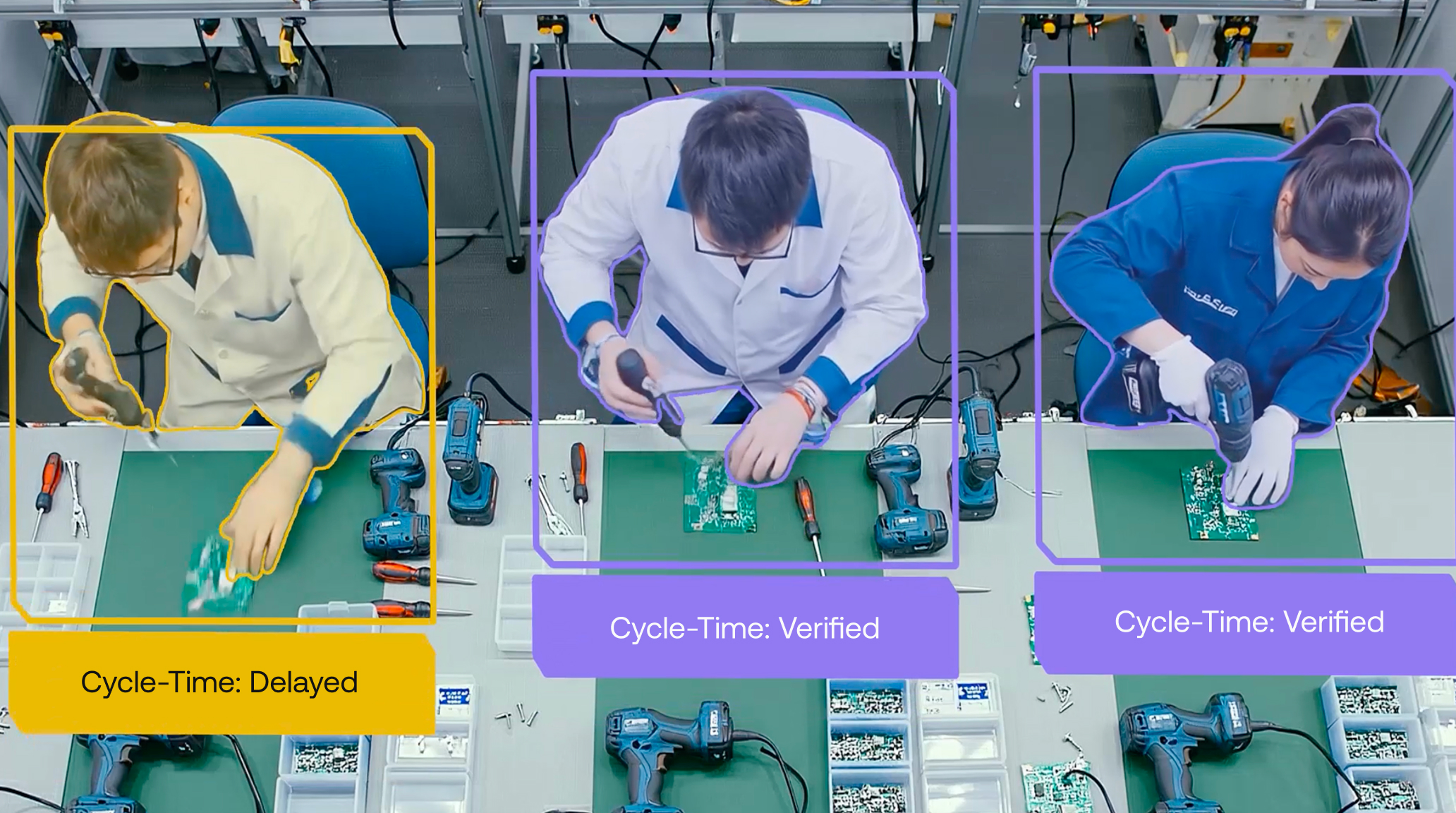
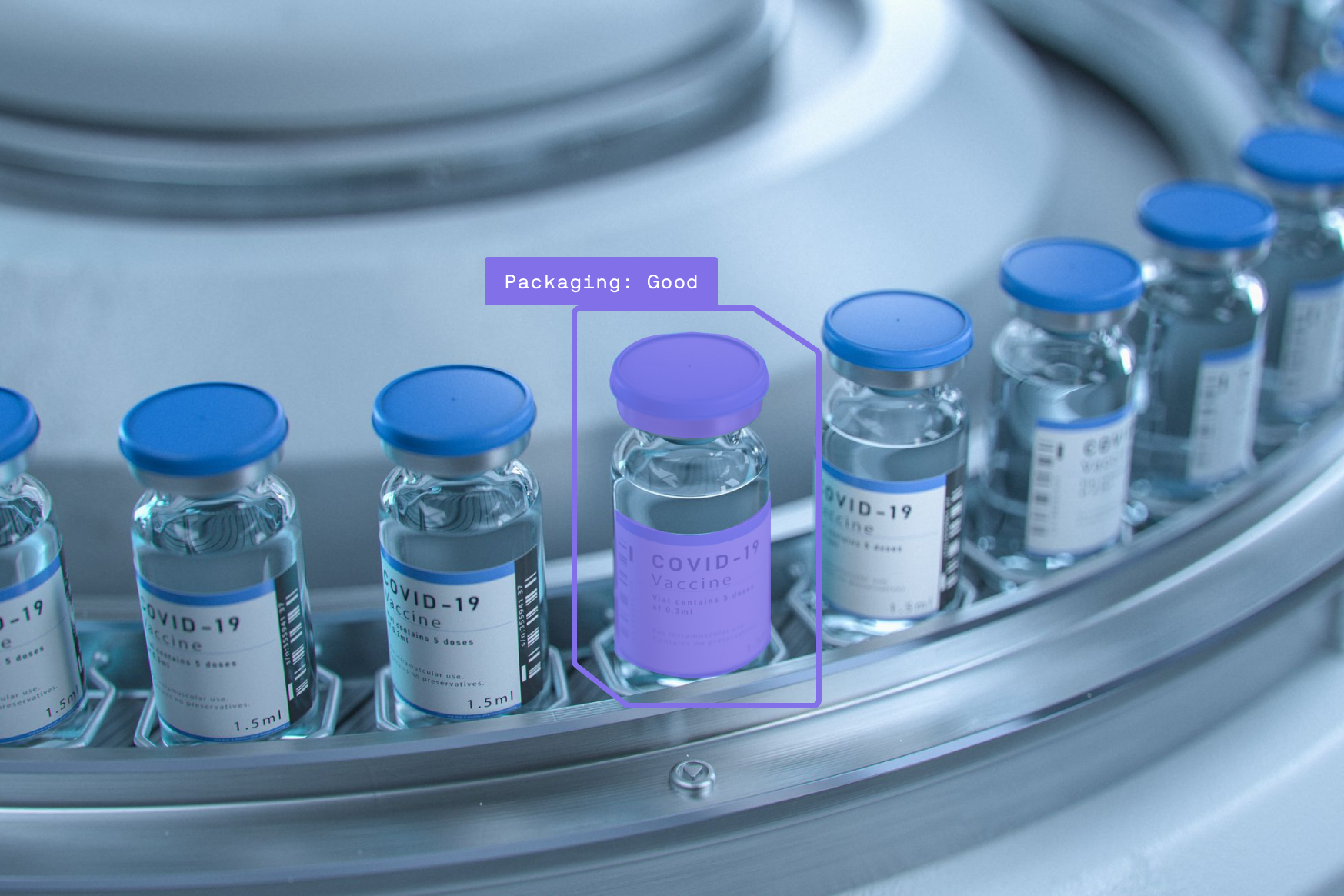
The same shift applies to line balancing, cycle-time measurement, defect counting, and Yamazumi analysis. Maneva's VITA (Video-to-Action AI) agent can provide these numbers in real time, reducing the need for manual data collection and freeing the CI agent from hours of spreadsheet work.
This also changes how teams respond to instability. Imagine a supervisor increasing a machine to 120% of nominal speed to maximize local output, even though the decision creates downstream jams and lowers overall line performance. Maneva can detect the imbalance as it happens, making it possible to intervene before the issue becomes a larger performance loss.
From Heavy Analysis to Better Decisions
One common criticism of Six Sigma is that it can feel heavy. Measurement System Analysis, Gage R&R, designed experiments, t-tests, F-tests, ANOVA, Box-Cox transformation, Orthonormalization of parameters, and other mathematical methods can be intimidating, and could be used in a bar to poke somebody else.
Yet these tools exist for a reason. In process improvement, a poorly chosen change can be worse than no change at all. Six Sigma emphasizes statistical discipline because it helps ensure that the proposed answer is not only attractive, but valid.
AI changes the operating model. With VITA continuously feeding historical and real-time line data, the CI agent gains a more reliable foundation for analysis. Large volumes of measurement points help reduce the impact of bias and noise, while machine learning can identify which variables are significant and which are not. McKinsey's research on AI in manufacturing operations confirms that the manufacturers pulling ahead are the ones connecting continuous AI data to the people running the floor, not to back-office dashboards.
In that sense, every AI-generated recommendation still depends on disciplined analysis. The hypothesis testing does not disappear; it becomes embedded in the way the system evaluates patterns, relationships, and likely outcomes.
Thanks to Maneva, much of the heavy data mining and verification work can be delegated to an AI assistant. That gives the CI agent more time to focus on interpretation, alignment, implementation, and sustained change.
What Remains for the CI Agent?
The answer is simple: the transformation still belongs to the CI agent.
AI can provide numbers, probabilities, signals, and recommendations, but the CI agent must still make sense of them, choose the right actions, build support, implement the change, verify adoption, celebrate progress, and reinforce the new standard. No solution creates value if it remains on paper. McKinsey's research on frontline workforce AI is clear on this point: AI's biggest productivity gains come from giving experienced operators and improvement leaders better tools, not from replacing their judgment.
The difference is that the CI agent no longer needs to spend countless nights wrestling with Excel or Minitab just to reach the starting point. With AI continuous improvement as an assistant, the work shifts from collecting and validating data to leading decisions and delivering results.
When Better Tools Are Not Enough
At this point, one thing is clear: Maneva can make the life of a CI agent much easier. A CI agent supported by Maneva has a clear advantage over the same CI agent manually collecting data. It is like comparing a sports car with a bicycle.
But let's park the sports car for a moment and ask a harder question: if the CI agent is still the knowledge holder, why do so many improvement projects fail? Why do processes remain unstable? Why does a line still struggle at 65% OEE?
The answer is rarely simple. It usually involves a combination of culture, process management, competing priorities, unclear ownership, limited resources, and personal incentives that do not always align with long-term improvement.
The Firefighting Trap
In many plants, across many different processes, the answer is surprisingly consistent. When operators and leads are asked what they do every day, they often say, "We fix things." When asked what they fix, many admit they are fixing the same problems over and over again.
I have met operators with 15 years of line experience who describe spending those years fighting the same recurring issues every day. That is not only a shop-floor problem. It is a warning sign for the entire improvement system.
The Weekly Downtime Loop
Here is a familiar scenario. In the weekly downtime review, the Pareto chart is presented. The floor manager explains the largest losses and says maintenance has already been informed. The maintenance manager explains that resources are limited and points to repeated equipment misuse by operators. Everyone recognizes the problem, but no one has time for root cause analysis.
Eventually, the CI agent is asked to investigate. But before a sound solution can be developed, three other urgent priorities appear. The following week, the same meeting happens again, with the same discussion, the same explanations, and the same unresolved causes.
This is the dead loop: meetings focused on justifying the past instead of designing the future. Like a movie where the same day repeats again and again, the organization wakes up to the same Monday morning without realizing the pattern, because the details change just enough to make it feel new.
How Maneva Breaks the Cycle
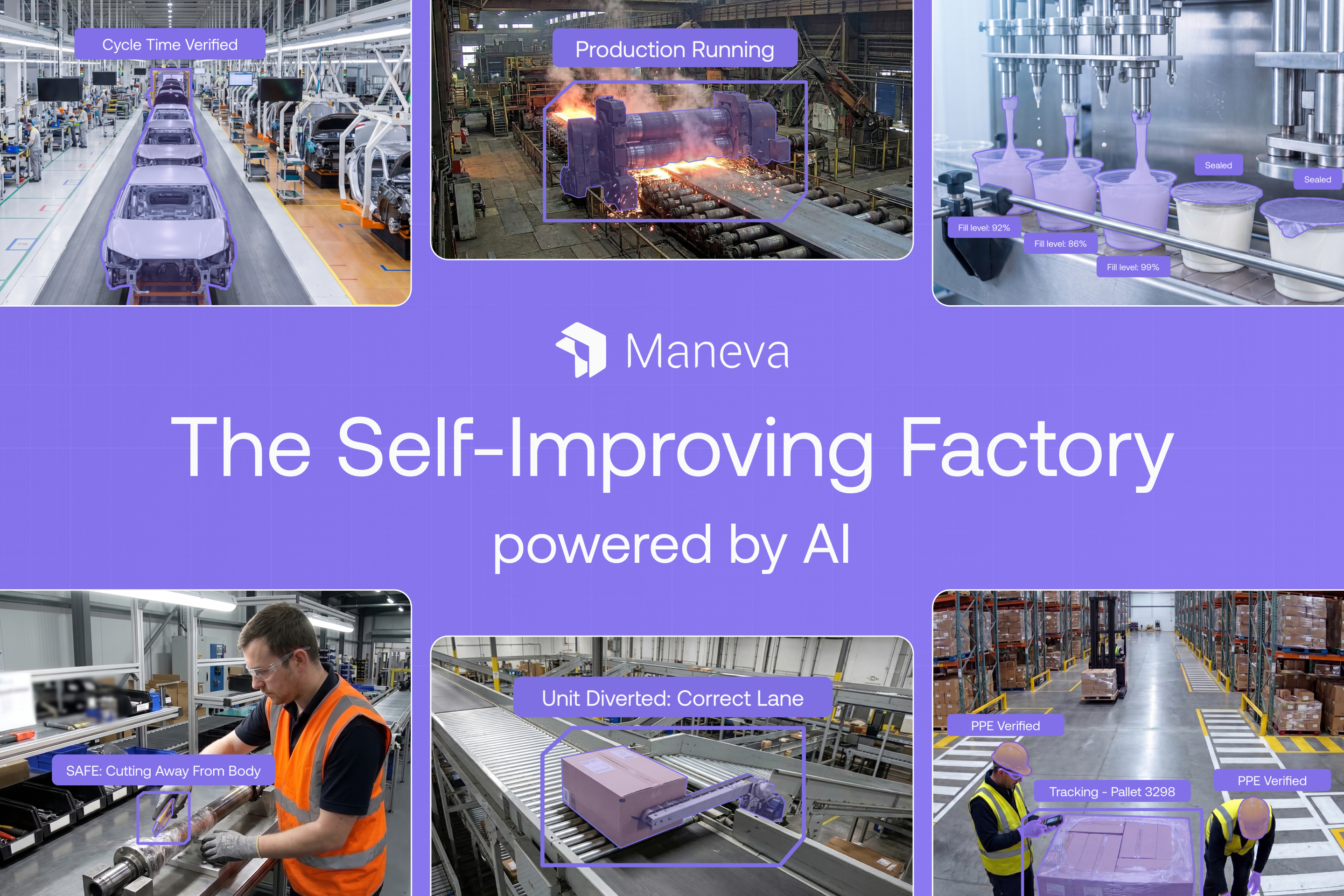
This is where AI, and specifically Maneva, can change the operating rhythm. Because Maneva continuously monitors events, detects deviations, and checks hypotheses in real time, it helps teams move from delayed explanation to immediate action.
Instead of waiting for the next meeting to discuss what went wrong, teams can respond while the issue is happening. Equipment misuse can be identified before it becomes a maintenance debate. Shop-floor issues can be addressed immediately rather than a week later, when the context is already gone. The CI agent can focus on the manager's highest-priority questions because the data is already available and structured.
A New Model for Continuous Improvement
Maneva's AI agents represent a real shift in how continuous improvement work is handled. They move the organization away from a mostly firefighting mode and toward a double-assisted model:
- They provide ready-to-use data and analysis.
- They enable teams to act immediately on deviations and nonconformities.
That shift gives the CI agent more capacity to focus on higher-value work: process redesign, Value Stream Mapping, standardization, capability building, and the long-term changes that make improvement sustainable. Book a demo at maneva.ai to see how Maneva's AI agents support the CI agent on the floor.