

What Causes Unplanned Downtime on Packaging Lines?
Unplanned downtime on packaging lines usually comes from five causes: jams and micro-stops at transfer points, changeovers that drift, packaging material variation, starvation and blockage, and equipment wear. Most of it gives warning signs on the line long before it shows up in a report, and much of it never shows up at all.
The line that taught me the most
I've spent 25+ years on factory floors with Kimberly-Clark, Medline, Clorox, and various OpEx consulting firms before landing in my current role as Director, OpEx and AI Transformation at Maneva AI. Across all of it, one part of the plant humbled me more than any other: the packaging line.
Processing gets the engineering attention. Packaging gets the blame. When a shift misses its number, the post-mortem usually ends at the case packer, the labeler, or the capper. Packaging line downtime is where good product goes to wait.
The stakes are not small. Siemens' True Cost of Downtime 2024 report found the world's 500 largest companies lose roughly $1.4 trillion a year to unplanned downtime, about 11% of their revenue. The same report puts the average large plant at 25 downtime incidents and 27 lost hours every month. In consumer goods, the hourly cost has held relatively stable. Stable is not the same as small.
Why do micro-stops never make the downtime report?
Because they are short, frequent and cleared by hand. A two-minute jam never gets a work order or a cause code, so it never reaches the maintenance system, and the hours these stops add up to quietly drain the availability number in OEE.
Tissue, bleach, medical supplies. The product changed from company to company, but the pattern on the packaging line didn't.
The big breakdowns get logged. A motor fails, maintenance writes a work order, and the event lands in the CMMS with a start time and a cause code.
The two-minute jam on the labeler does not. Neither does the case erector that misfeeds every fortieth carton, or the operator who slows the filler because the capper "acts up after lunch." These micro-stops stack into hours. By the time anyone pulls the numbers, the shift is over and the memory is gone.
That gap between what happens on the line and what reaches the morning meeting is the real starting point for understanding the causes of unplanned downtime. You can't fix a stop nobody saw.
What are the five main causes of unplanned downtime on packaging lines?
In my experience, packaging line downtime traces back to five causes. Most plants have all five running at once.
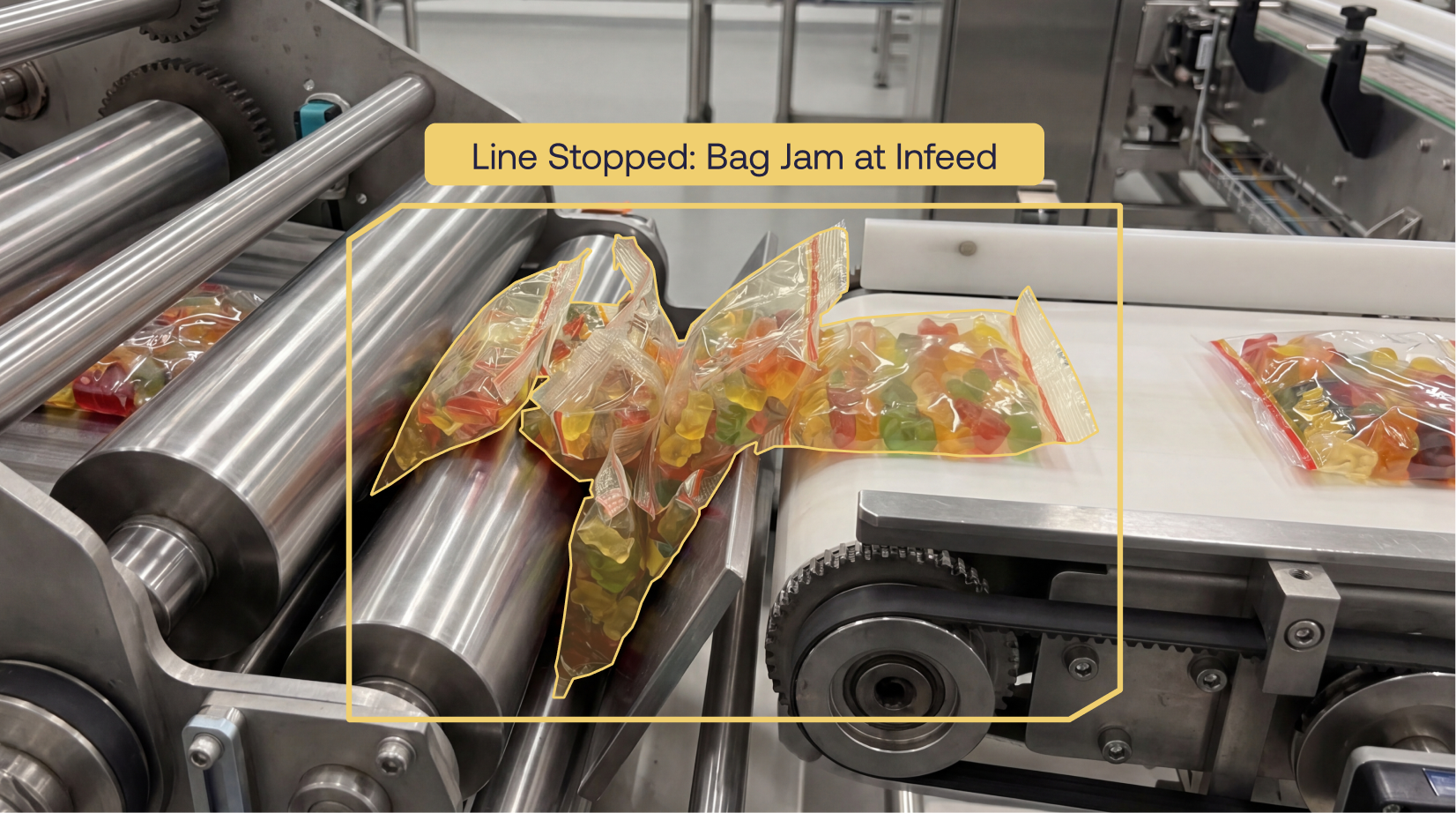
Jams and micro-stops at transfer points. Infeed systems, star wheels, and case packers are where product changes direction or speed. A slightly out-of-round bottle or a carton with a raised flap catches there. Each stop is short. Together they drain a shift.
Changeovers that drift. The changeover sheet says 30 minutes. The line says 90, because the last hour is slow speed, adjustments, and rejects while settings get dialed back in. This information rarely gets coded as downtime, but it is.
Packaging material variation. Film splices, warped corrugate, glue that skins over, labels from a new supplier lot. The machine was set up for yesterday's material. Today's material doesn't agree.
Starvation and blockage. Packaging sits at the end of the line, so it inherits every upstream hiccup and every downstream backup. A full accumulation table or a palletizer waiting on a forklift stops the line just as surely as a broken part.
Equipment wear. Bearings, belts, and seal jaws degrade until they fail. This is where condition monitoring earns its keep, and I covered it in depth in our predictive maintenance blog, so I won't repeat it here.
The thread connecting all five is visibility. Each cause gives warning signs. The operator usually sees them. The system usually doesn't.
Where does AI fit on a packaging line, with people at the center?
Many plants already have cameras over their packaging lines. They're used for security and the occasional playback after something goes wrong. Maneva's Video-to-Action AI can run on that existing camera infrastructure where it suits the task, or on off-the-shelf cameras placed for it, and turns it into real-time line intelligence on food and beverage and consumer goods packaging lines.
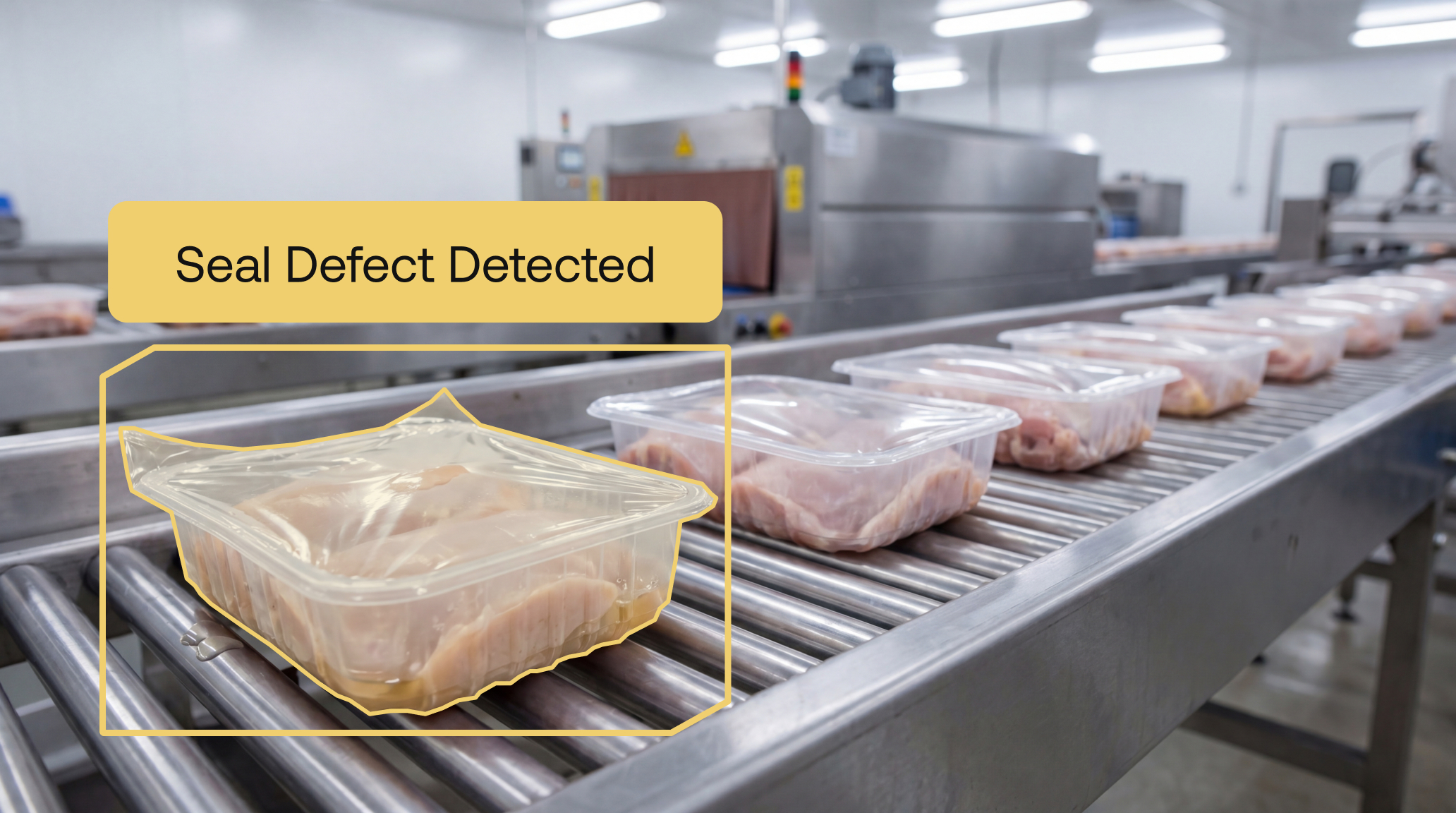
VITA watches the line the way your best quality tech would, if that tech never blinked. It flags compromised seals, crushed cartons, and labeling errors before they become a complaint or a recall, and it spots problems on fillers, cappers, and conveyors before they take the line down. That frees quality techs from repetitive visual inspection. Their time goes to root cause, process improvement, and the judgment calls that need a human.
Together, VITA and ALIS, the AI Line Supervisor, give frontline teams something they've never had: real-time visibility into what their own line is doing. The micro-stop at the labeler shows up while it's happening, not in tomorrow's report. The operator who suspected the capper now has the data to prove it. That makes operators better decision-makers, not redundant ones.
The results bear that out. ALIS deployments have delivered up to a 10% increase in output, driven by higher worker efficiency. The camera doesn't run the line. The people do. They just see more of it now.
I've sat through too many technology rollouts that treated the floor as a cost to cut. They fail because the people on the line hold the knowledge the system needs. AI works when it makes those people more capable, more informed, and more effective.
How do you start reducing packaging line downtime?
If you're fighting packaging line downtime, start small and specific:
- Pick one line and the one machine with the most unexplained stops.
- Compare the stops your system recorded with what operators say happened. The gap is your opportunity.
- Put eyes on that machine, human or camera, and capture every stop, not just the long ones.
- Give the data to the operators first. They usually know what to do with it.
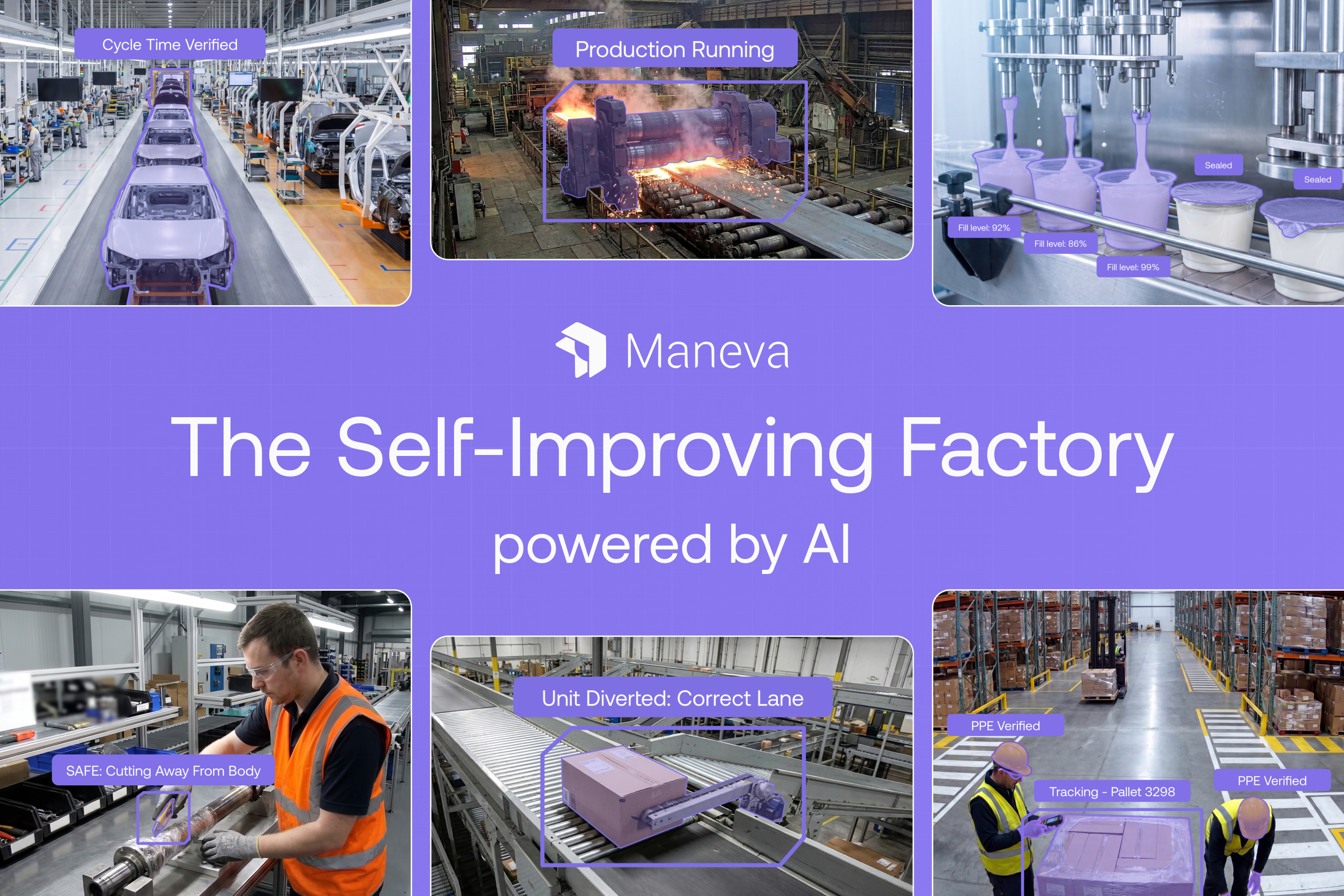
Downtime has never been just a maintenance problem. It's an information problem. Close the gap between what happens on the floor and what your people can see, and the line starts improving itself. That is what a self-improving factory looks like in practice.