
How Global Manufacturers Are Using AI to Standardize Quality Across Multi-Site Operations
Many manufacturers sabotage their own Continuous Improvement efforts without ever realizing it. Customer-specific quality demands pile up into thousands of overlapping checks, multi-site operations duplicate procedures instead of sharing them, and quality departments slip into pure auditor mode, disconnected from the very process improvement work they exist to drive. This article walks through four familiar scenarios behind that fragmentation, then shows how an AI-driven approach to quality, measuring every unit, continuously, removes the root cause altogether. The result is one shared source of truth for customer reporting, multi-site standardization and Continuous Improvement.
Let's walk through a few scenarios most of you will recognize.
Scenario 1: Why do customer-specific quality checks multiply?
They multiply because each new contract arrives with its own checks, and the quality team adds them as specified instead of mapping them onto what is already measured.
Your company has just landed that strategic contract with a major customer. Everyone is motivated and focused; failure isn't an option. But a big customer usually means a demanding one: the contract is long, and it arrives with new rules and its own set of quality checks. Your quality team simply complies, designing a full new battery of checks exactly as the customer specified. No Kaizen event, no brainstorming session. Nothing is questioned.
After a while, you end up with thousands of quality checks, hundreds of which ask for the same information, just in a different order. Training becomes a headache: Customer A wants a 3-sample weight check, Customer B wants 6 samples, and everyone else uses 5. Your system grows steadily more complex, mistakes multiply, and your quality technician becomes indispensable, not because he's doing anything especially valuable, but because he's the only one left who still understands how the system works. Without realizing it, you've sabotaged your own Continuous Improvement (CI) initiatives: rich data describing the same underlying condition is now fragmented across dozens of incompatible reports.
Scenario 2: What is process tropicalization, and why does it spread across sites?
Process tropicalization is what happens when local differences between sites get built into the quality checks and SOPs themselves, so every location ends up with its own duplicated version instead of a shared standard.
You operate more than one location, and, as is often the case, your production lines are similar but not identical. Unfortunately, your quality department built the line's particularities directly into the quality checks instead of splitting each check into a shared common part plus a line-specific addendum. The result at the second location is an entirely new, duplicated check rather than a shared one.
Your company has caught a disease we call process tropicalization: not just your quality checks but your SOPs as well start multiplying to capture every local particularity. You now carry every downside from the first scenario, including the sabotage of CI, except this time the root cause was different.
Scenario 3: Is your quality team improving the process or just auditing it?
If nobody can explain why a check runs at the frequency it does, the team is auditing the process, not improving it.
You visit your quality department and ask: why is this check performed every hour? Why not every 30 minutes, or every 75? The answer: that's simply what was agreed with the operations manager. Worse still if the answer is, "I don't know… it's always been that way… it's the minimum the customer requires."
Where is your own commitment to quality in that answer? What frequency does your process capability actually require to keep the process under control? If your quality department can't answer that, they've just told you they are auditors auditing a process they don't understand. Are you genuinely pursuing quality, or just trying to stay contract-compliant? Quality exists to drive process improvement, and you cannot improve what you don't understand.
Scenario 4: Two Teams, One Process, Zero Communication
Your quality department has become disconnected from process improvement: it runs checks purely to satisfy customer requests, operating in pure auditor mode. Meanwhile, someone still has to take care of the process itself, typically your Continuous Improvement team or your process engineers. The two groups barely interact outside the lunchroom, and the result is two parallel, uncoordinated quality systems running side by side.
How does AI standardize quality across multiple plants?
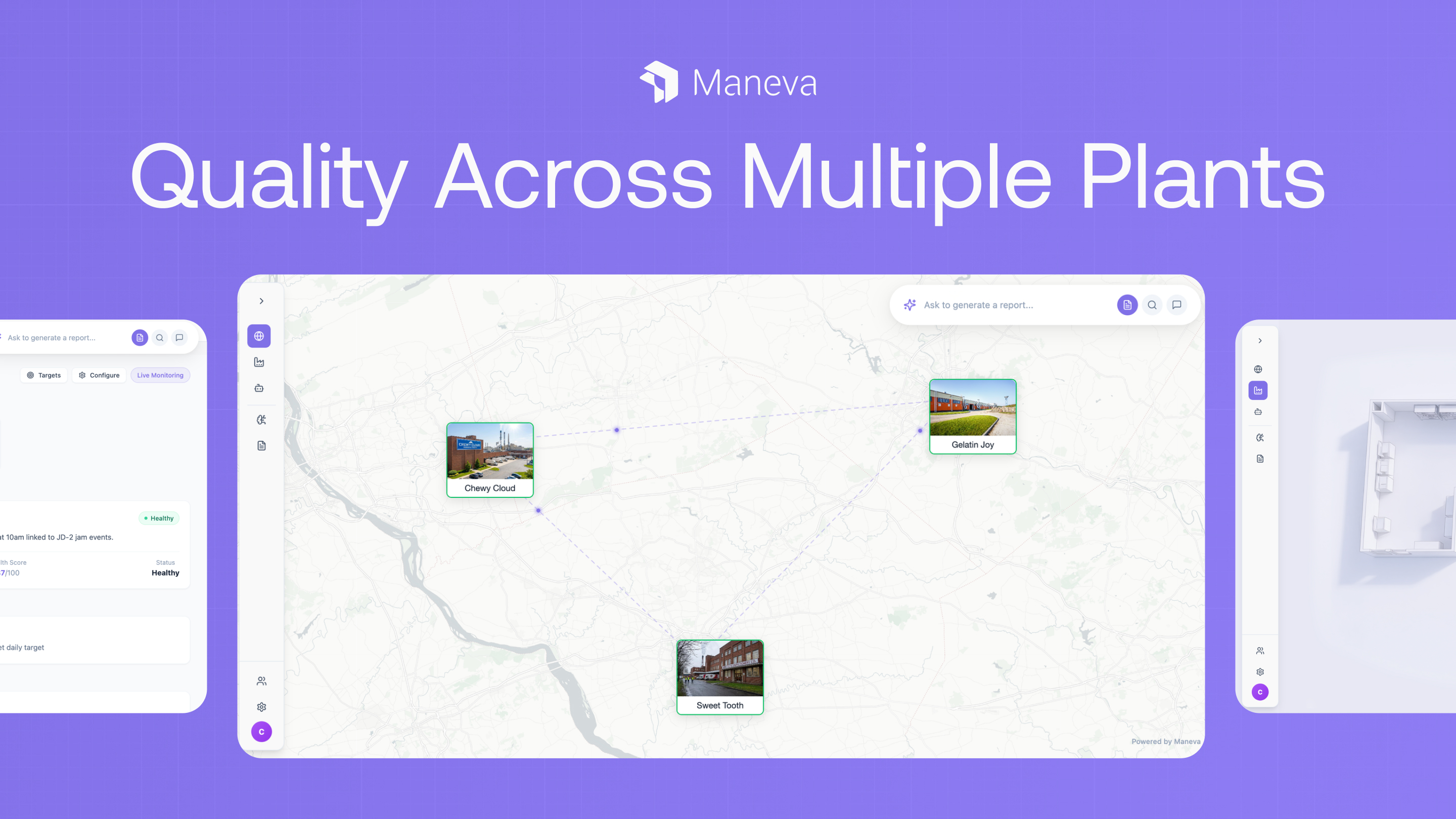
AI standardizes quality across plants by measuring every unit continuously and storing each result once. Customer reports, site comparisons and improvement projects then draw on the same data, so a new customer requirement changes the report, not the process, and every site runs the same core checks.
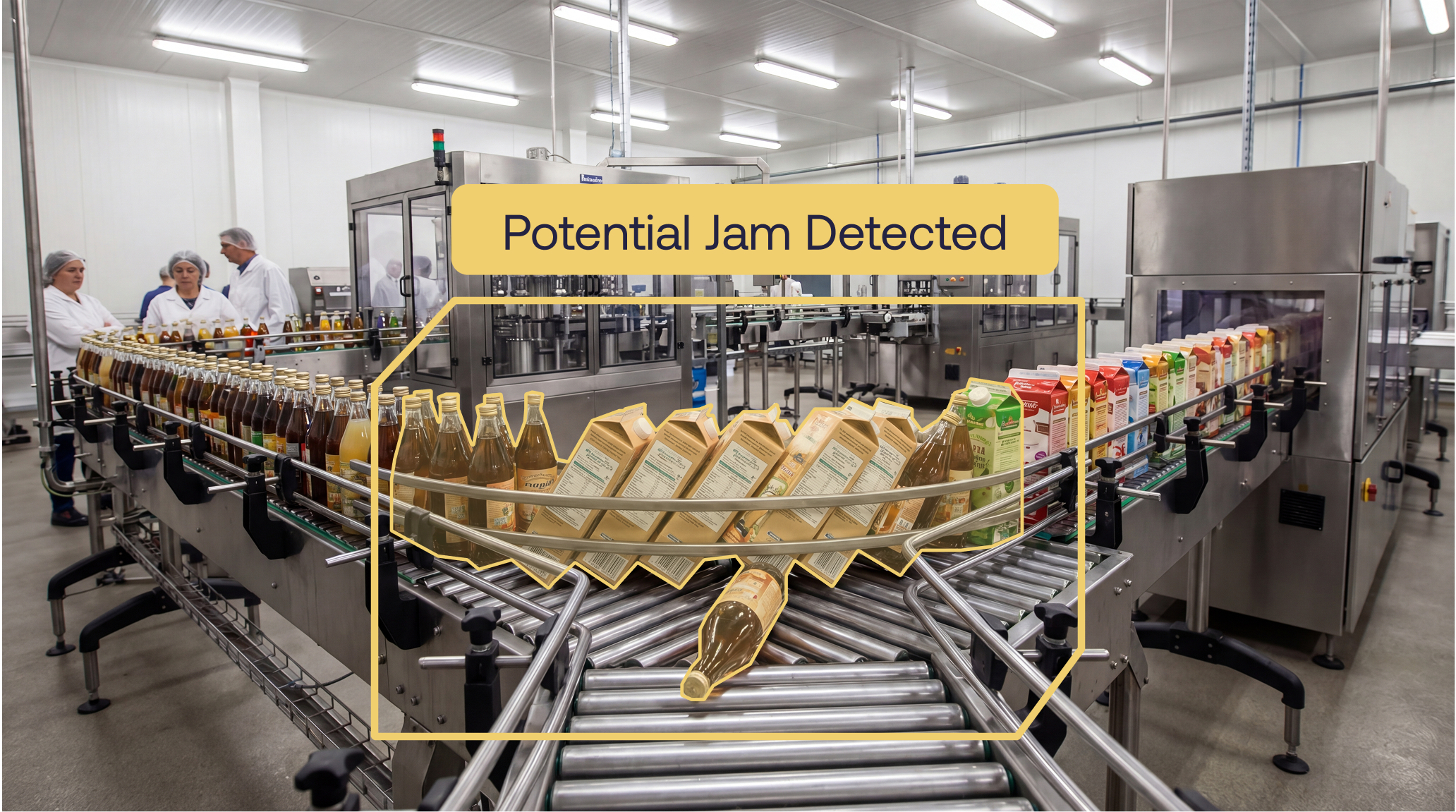
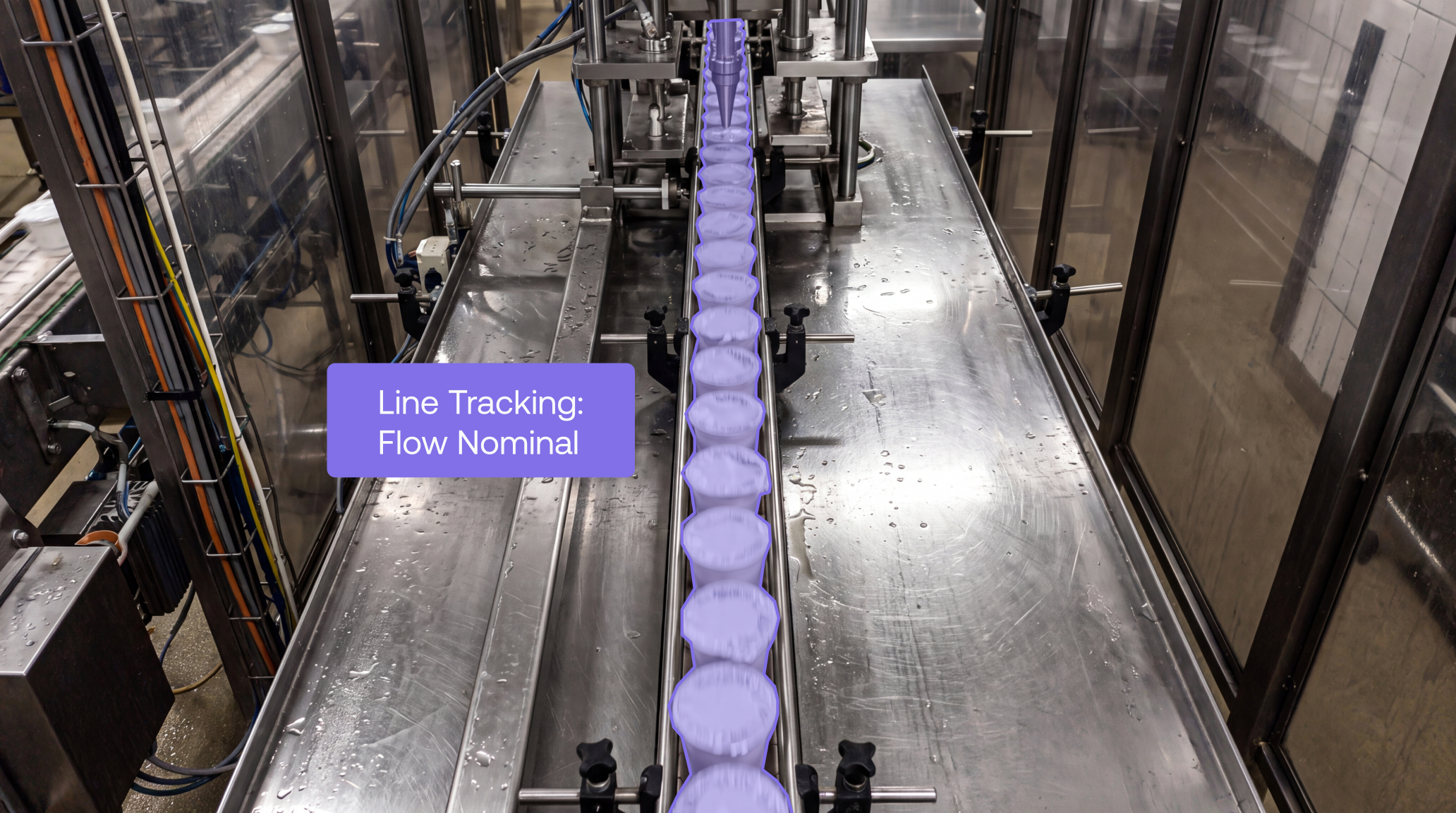
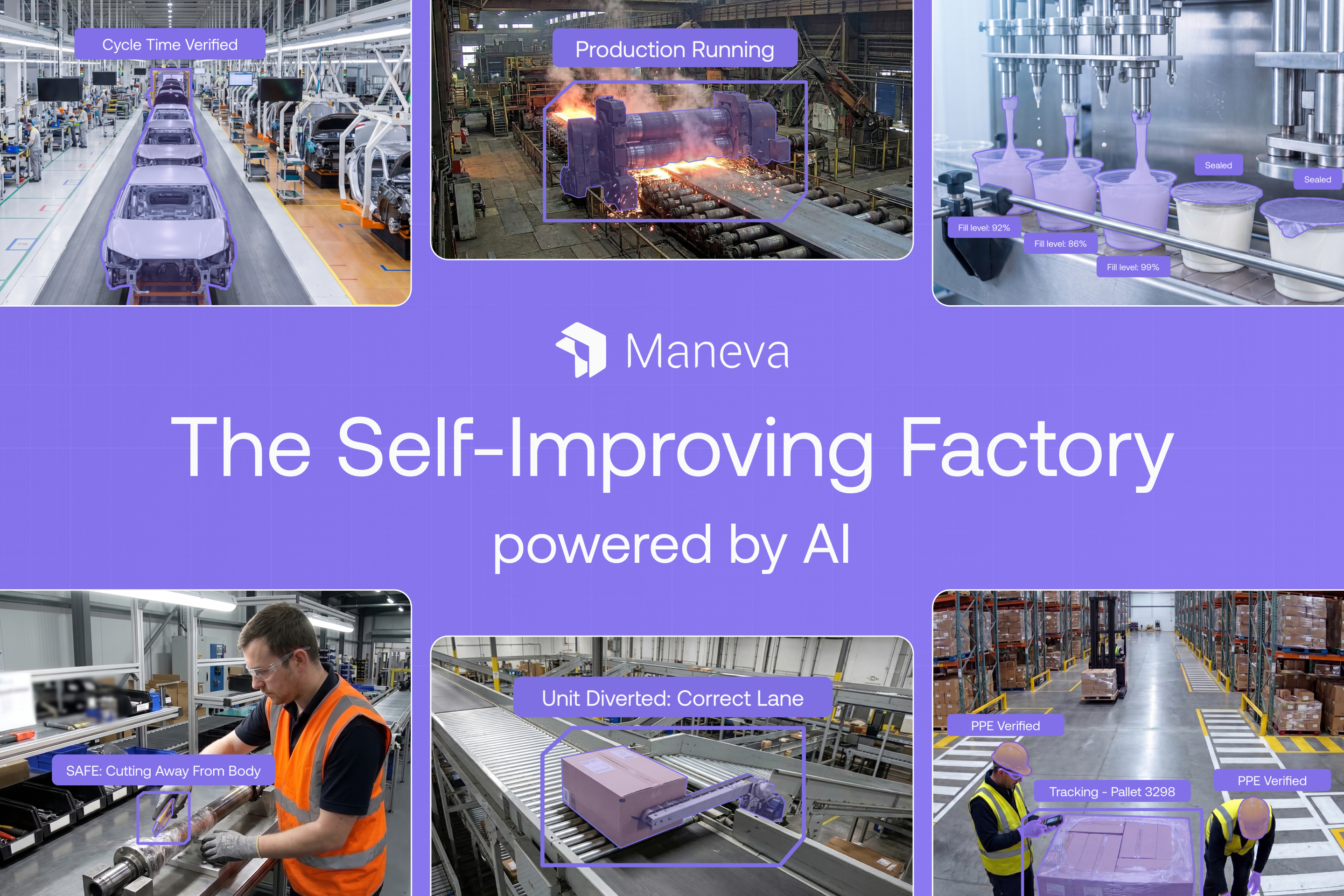
With Maneva, the entire system works differently. VITA inspects every unit on the line, and the Orchestration Platform brings that data together across lines and sites. Every metric and every indicator is recorded individually and continuously. A customer's specific request is satisfied simply by selecting, from the full universe of measured KPIs, the ones that particular customer wants to see. Every KPI the line measures automatically already exists in the system, at all times, for every unit. Different customers can receive different reports pulled from the very same database, and when a customer's requirements change, you only need to change the query, not your underlying process.
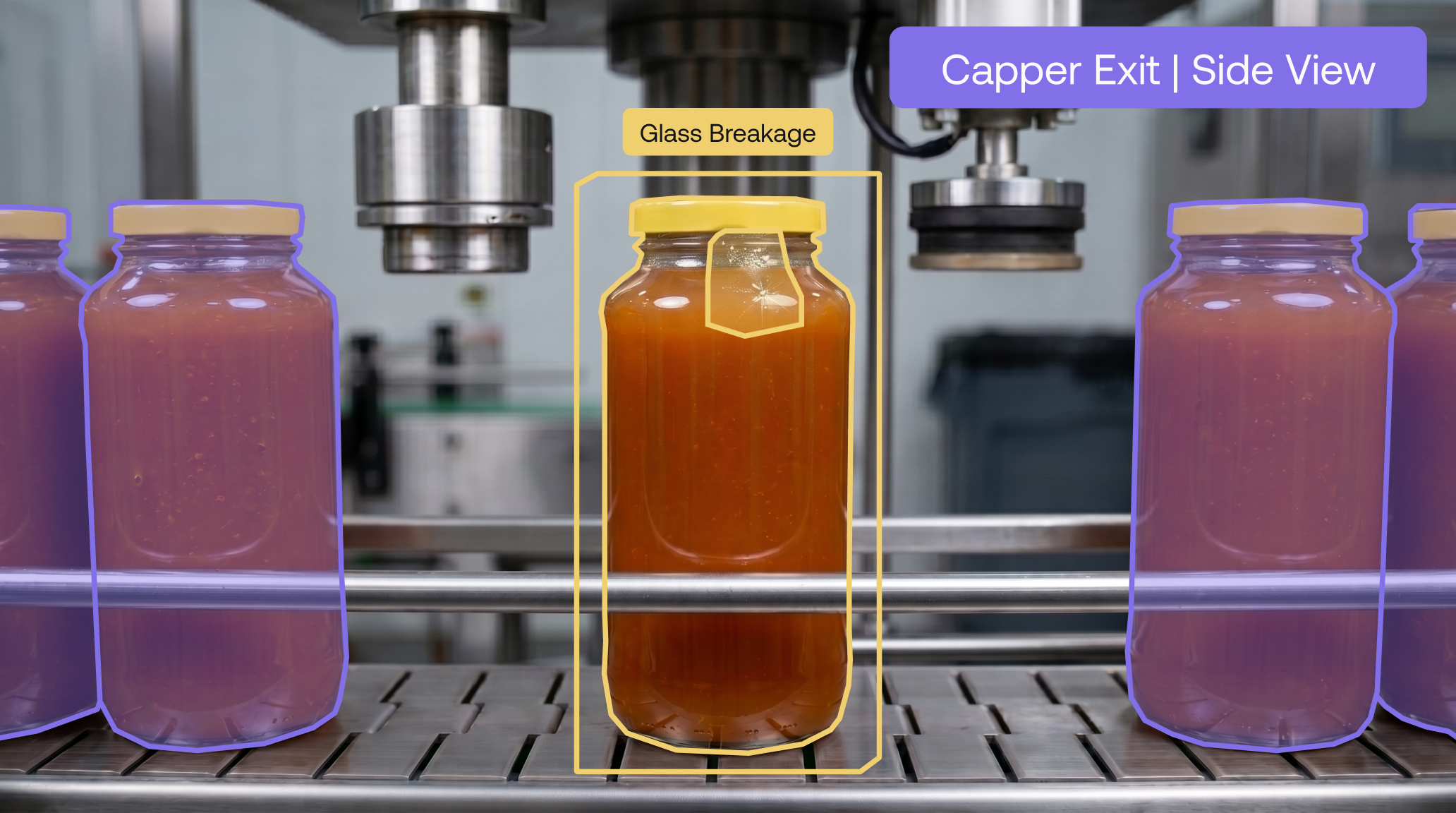
The multitude of sample sizes disappears, too, because every single product is inspected. You report at whatever frequency your customer wants, without ever changing your core procedure.
Each KPI is measured exactly once and shared freely between your quality and CI teams. Your quality technician now measures only what genuinely requires manual measurement, freeing up real time for the work that actually matters: quality improvement, not quality policing.
The tropicalization disease disappears as well. You reach full standardization across every location, with the only legitimate exceptions being process steps that are genuinely different, or simply don't exist, at a given site.
Your Continuous Improvement team finally gets reliable, comparable data across every site. Because every single product is recorded, your entire approach to improvement changes, especially if you rely on Design of Experiments (DOE).
Finally, you gain a clear, permanent distinction between two things too often conflated: defect detection (your 100% inspection, built to catch defective units before they reach your customer) and the sampling statistics you use to demonstrate compliance to auditors and customer satisfaction.
Why per-unit measurement fixes fragmented quality systems
The common thread running through all four scenarios is the same: quality systems built reactively, one customer request, one location, one audit at a time, inevitably fragment. Checks multiply, data splinters across incompatible reports, and the people meant to drive improvement end up auditing a process nobody fully understands anymore.
AI-driven, continuous, per-unit measurement removes the root cause of that fragmentation. When every KPI is captured once, for every unit, customer-specific reporting becomes a database query rather than a new procedure, multi-site standardization becomes the default rather than an aspiration, and your quality and Continuous Improvement teams finally work from the same data instead of past each other. The result isn't just a simpler quality system. It's a quality function that can finally do what it was always meant to do: understand and improve the process, not just audit it.
That is the quality function a self-improving factory needs: one set of data, measured once, that every site and every team can learn from.